Automated Cold Storage & ASRS Construction Cost (2026)

Automated cold storage cost is driven by density and machinery, not floor area — so the metric that matters is cost per pallet position, not cost per square foot. As a 2026 planning range, the high-bay refrigerated shell runs roughly $250–$500+/SF of footprint, the ASRS machinery is an equipment-led cost often reaching 30–50 percent of the project, and total installed cost commonly lands around $1,500–$4,000+ per pallet position. This page breaks down each component.

By US Cold Storage Builders Engineering Team
📅 Now booking 60–90 days out | Call (346) 676 - COLD
Performance IndexUpdated quarterly
$1,500–$4,000+
Per Pallet Position (installed)
30–50%
ASRS Share of Project Cost
14–24 mo.
Typical Timeline
Specialty Cost Reference

Density and machinery drive automated cold storage cost.

Density Economics

Density, not floor area, drives automated cold storage cost.

An automated facility trades floor area for height, storing the same pallets in a fraction of the footprint. That is why cost per square foot of footprint looks high while cost per stored pallet position is competitive. Density is the entire economic point of automation, and it is what the budget should be measured against.

  • Stores several times more pallets per SF of footprint than conventional
  • Heights routinely exceed 100 feet versus roughly 35 to 40 feet for forklifts
  • Cost per pallet position is the metric, not cost per SF of footprint
  • Less refrigerated volume per pallet lowers energy and land cost
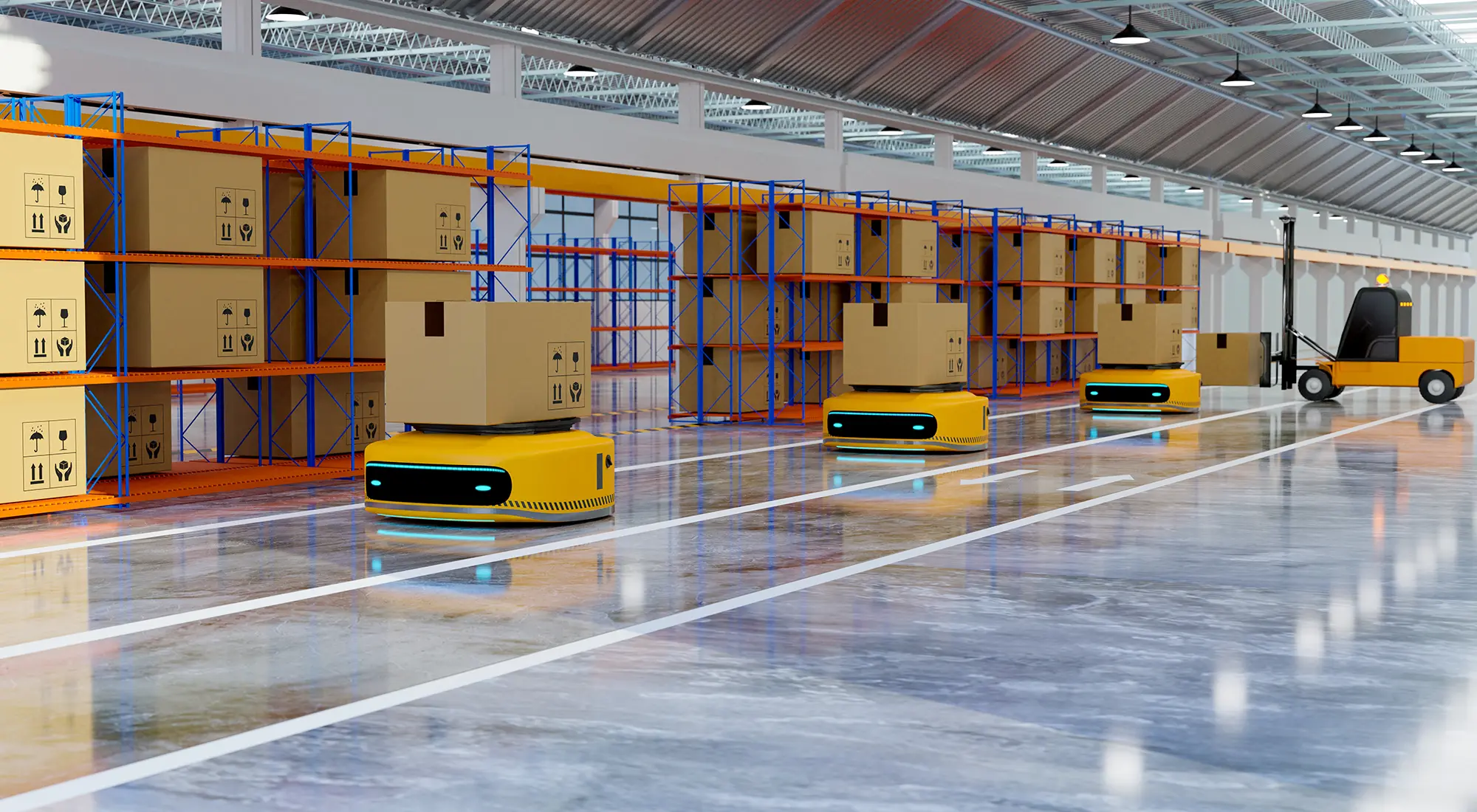
Automated guided vehicles in a high-density logistics warehouse
What Automation Adds

Machinery, controls, and precision are the cost premium.

Beyond the building, automation adds the ASRS machinery — cranes, shuttles, and conveyors — plus the controls and software that run it, and the construction precision the system demands. Together these often reach 30 to 50 percent of project cost and are the reason automated facilities cost more to build than conventional ones of the same capacity.

  • ASRS machinery: cranes, shuttles, conveyors, controls, software
  • Often 30 to 50 percent of total project cost, equipment-led
  • Super-flat, high-tolerance floor slabs for reliable crane and shuttle travel
  • Controls integration across automation, refrigeration, and warehouse systems
Automated handling robot operating in an industrial facility
High-Bay Structure

Rack-supported high-bay shell and refrigeration.

At the highest density the racking is the building: in a rack-supported design the steel racking carries the roof and walls, enabling heights well beyond conventional warehouses. The refrigerated envelope, structure, and refrigeration must be engineered as one integrated system to hold temperature uniformly through tall storage.

  • Rack-supported (rack-clad) structure for the tallest, densest facilities
  • Continuous high-R envelope over a small, tall footprint
  • Refrigeration and airflow designed for uniform temperature at height
  • Foundations and slab carry concentrated rack loads and resist frost heave
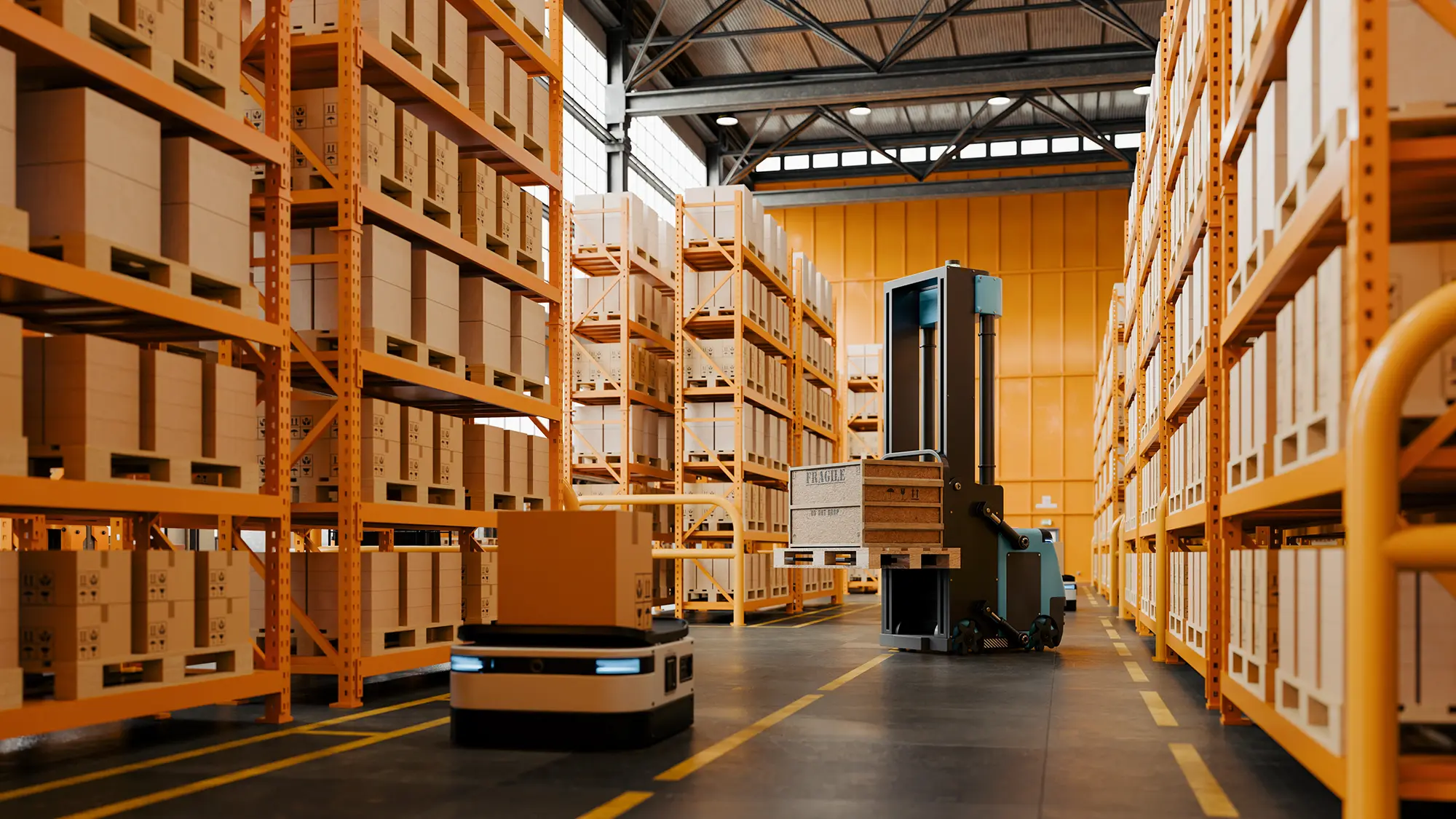
High-bay refrigerated warehouse with tall pallet racking
Cost

Automated cold storage cost ranges by component

Automated cold storage cost separates into three buckets: the high-bay refrigerated building shell, the ASRS machinery and controls, and the refrigeration plant. Because automation trades floor area for height, the most useful figure is cost per pallet position rather than cost per square foot of footprint. The table below shows 2026 planning ranges by component.

Component2026 Planning RangeNotes
Conventional cold storage (footprint, for comparison)$155–$340/SFRefrigerated to sub-zero, forklift-served
Automated high-bay refrigerated shell$250–$500+/SFTall structure, small footprint, super-flat slab
ASRS machinery, controls, and softwareEquipment-ledOften 30–50% of total project cost
Total installed (per pallet position)$1,500–$4,000+The metric that matters; varies by height, temp, automation
Rack-supported (rack-clad) buildingPremiumRacking carries roof and walls; tallest, densest
Refrigeration plant (deep sub-zero)Cascade NH3/CO2High-bay airflow design; long-lead equipment

What drives the high end of automated cold storage cost

  • Automation depth: shuttle and crane count, conveyor complexity, software scope
  • Height: taller structures increase steel, envelope, and crane cost
  • Operating temperature: deep sub-zero raises refrigeration and envelope cost
  • Super-flat floor tolerance for reliable automated travel
  • Fire protection engineered for high-bay cold storage
  • Controls and commissioning to prove all systems together before go-live

These are planning ranges for early feasibility, not a substitute for a scoped estimate. The defensible number for any project is a cost per pallet position derived from throughput, SKU profile, operating temperature, and target density.

The Metric

Why cost per pallet position is the right metric

Footprint versus height

A conventional cold storage facility spreads pallets across a large floor at a height a forklift can reach, roughly 35 to 40 feet. An automated facility stacks the same pallets in a tall, narrow structure that can exceed 100 feet, storing several times more pallets in the same footprint. Measured per square foot of footprint, the automated building looks far more expensive; measured per stored pallet, it is competitive and often better.

Comparing automated and conventional

The fair comparison holds capacity constant and asks what it costs to store one pallet position. On that basis the automated facility carries a higher capital cost per pallet but a lower operating cost per pallet, and it uses far less land. The table below summarizes the trade.

FactorAutomated (ASRS)Conventional
Storage densityVery high; tall high-bayLower; limited by forklift reach
Footprint per palletSmallLarge
Capital cost per palletHigherLower
Operating cost per palletLower (labor, energy)Higher
Building precision requiredVery high (super-flat floors)Standard
Building Requirements

What automation requires from the building

Automation is unforgiving of construction tolerances, so the building scope is heavier and more precise than conventional cold storage. Four requirements dominate.

Super-flat, high-tolerance floors

Cranes and shuttles travel at height, so the floor slab must meet tight flatness and levelness tolerances well beyond standard warehouse slabs. Slab design also carries concentrated rack loads and integrates underslab heat to prevent frost heave in frozen and sub-zero rooms. See freezer slab insulation and frost heave prevention.

Structural precision and rack loads

In a rack-supported building the racking carries the structure, so dimensional control must be exact across the full height. Even in a conventional building, automated racking demands tighter tolerances than forklift-served racking.

Fire protection for high-bay cold storage

Tall, dense, refrigerated storage requires fire protection engineered for the height and configuration, which interacts with rack layout, flue spaces, and the refrigeration design and must be planned early.

Controls integration and docks

The automation, refrigeration, and warehouse systems must be integrated through one controls layer, and the dock and staging interface must match the throughput the automation delivers. See dock design for refrigerated warehouses.

Refrigeration

Refrigeration and airflow for high-bay automated cold storage

Uniform temperature at height

Tall storage makes temperature uniformity harder, because cold air settles and warm air rises. Refrigeration and airflow must be engineered to hold an even temperature from floor to roof across a 100-foot-plus volume, which is a different design problem from a conventional low-bay room. See industrial refrigeration systems.

Cascade systems for deep sub-zero

Many automated facilities operate at frozen or sub-zero temperatures, where ammonia and CO2 cascade systems recover efficiency that single-stage systems lose at deep sub-zero. See ammonia and CO2 cascade systems.

Density as an energy advantage

Storing the same product in far less refrigerated volume is itself an efficiency gain, because there is less envelope and air to cool per pallet. Combined with fewer people and less lighting in the storage volume, this is a meaningful share of the operating savings automation delivers. See our guide on cold storage energy efficiency.

ROI

Return on investment: when automation pays

Automation carries a higher capital cost, so the case for it rests on operating savings and density. It pays back fastest in specific conditions.

Labor

Removing people from sub-zero aisles cuts labor cost and solves a real staffing problem, since working in frozen environments is difficult, costly, and constrained by safety rules.

Energy

Less refrigerated volume per pallet, and fewer people and lights in the storage volume, lower energy cost per pallet over the life of the facility.

Land and density

Where land is expensive or constrained, storing several times more pallets on the same footprint is a direct and large saving.

Throughput and accuracy

Automated handling raises throughput, runs reliably around the clock, and improves inventory accuracy, which has value beyond direct cost.

When automation does not pay

Low or highly variable volume, short operating horizons, and operations that need maximum layout flexibility over density are weaker fits. Many owners automate part of the operation rather than all of it, pairing an automated high-density store with conventional pick and dock areas.

Next Step

How to start an automated cold storage project

We deliver a preliminary cost-per-pallet-position range and an automation approach from a programming conversation that establishes throughput, SKU profile, operating temperature, and target density — enough to scope the building, the ASRS, and the refrigeration and give a defensible budget. Email contact@uscoldstoragebuilders.com or use the form on this page.

See also: our automated cold storage and ASRS guide, cold storage construction cost per SF, frozen storage construction, and cold storage construction.

Budgeting

Cost and timeline planning ranges.

$1,500–$4,000+

Per Pallet Position

Total installed; the metric that matters

$250–$500+/SF

High-Bay Shell

Footprint $/SF; tall refrigerated volume

30–50% of project

ASRS Machinery

Cranes, shuttles, controls, software

Cascade NH3/CO2

Refrigeration

Deep sub-zero; high-bay airflow design

Super-flat slab

Floor Tolerance

High-tolerance for crane and shuttle travel

14–24 months

Timeline

Long-lead automation and refrigeration

Services

Cold Storage Solutions, End to End

❄️ Cold Storage🧊 Blast Freeze🏗️ New Build🔧 Retrofit🌡️ Multi-Temp💊 Pharma-Grade📦 3PL Warehouses
FAQ

Automated Cold Storage & ASRS Cost FAQs

How much does automated cold storage cost to build?

Automated cold storage cost is best expressed per pallet position rather than per square foot, because automation trades floor area for height. As a 2026 planning range, the high-bay refrigerated shell runs roughly $250–$500+ per SF of footprint, the ASRS machinery and controls add an equipment-led cost that often reaches 30–50 percent of the project, and total installed cost commonly lands around $1,500–$4,000+ per pallet position. The figure depends heavily on height, operating temperature, automation depth, and throughput, so a scoped estimate is required for any specific project.

Why is automated cold storage measured per pallet position instead of per square foot?

Automation replaces floor area with height. A conventional facility might stack pallets five or six high over a large footprint; an automated high-bay facility stores the same pallets far denser in a tall, small-footprint structure. Comparing the two on cost per SF of footprint is misleading, because the automated building looks expensive per SF while storing several times more pallets in that area. Cost per stored pallet position is the metric that makes the comparison fair.

Is automated cold storage cheaper than conventional cold storage?

Not in capital cost. An automated facility costs more to build than a conventional one of the same capacity because of the racking, machinery, controls, and the construction precision the system demands. The savings show up in operations — lower labor, lower energy per pallet, and far denser use of land — and in throughput. Automation tends to pay back where land is expensive, volume is high, and the operating horizon is long.

How much does the ASRS machinery add to project cost?

The automation system — cranes, shuttles, conveyors, controls, and software — is a major equipment-led line item that often represents 30–50 percent of total project cost, depending on automation depth and throughput. Unlike the building, this cost scales with the machinery and software rather than square footage, which is another reason the per-pallet-position metric is more useful than a simple cost-per-SF figure.

How tall can an automated cold storage facility be?

Automated high-bay and rack-supported facilities routinely exceed 100 feet, well beyond the roughly 35 to 40 feet practical for forklift operation. Greater height is the core of the automation value proposition: it increases storage density and reduces the refrigerated volume and footprint required per pallet, which lowers both land use and energy per pallet.

What is a rack-supported (rack-clad) building?

In a rack-supported or rack-clad building, the steel racking structure itself carries the roof and wall cladding rather than sitting inside a separate building frame. It enables the tallest, densest facilities and can shorten the structural schedule, but it requires the rack, structure, envelope, and refrigeration to be engineered together as one integrated system from the start.

Does automation reduce operating cost?

Yes, in three main ways. Denser storage means less refrigerated volume to cool per pallet, lowering energy cost. Removing people from sub-zero aisles cuts labor and the cost and difficulty of staffing frozen environments. And automated handling improves throughput and inventory accuracy. These operating savings are the financial case that offsets the higher capital cost.

What does an ASRS require from the building?

Automation is unforgiving of construction tolerances. High-bay ASRS requires super-flat, high-tolerance floor slabs so cranes and shuttles operate reliably at height, precise structural and dimensional control, refrigeration and airflow engineered to hold temperature uniformly through tall storage, fire protection suited to high-bay cold storage, and controls integration tying the automation, refrigeration, and warehouse systems together. Foundation and slab design must also carry concentrated rack loads and prevent frost heave.

How long does automated cold storage construction take?

Automated cold storage projects typically run 14–24 months from contract to commissioning. The schedule is dominated by long-lead items — the ASRS machinery and controls, and the refrigeration plant — and by the integration and commissioning effort, which is heavier than a conventional facility because the building, automation, refrigeration, and software must be proven together before go-live.

Can you automate an existing cold storage facility?

Sometimes, but it is constrained. Existing buildings limit height and often lack the floor flatness, structural precision, and refrigeration design that automation needs, so many automated facilities are purpose-built. Where a retrofit is feasible, it usually means automating a portion of the operation rather than a full conversion. A feasibility review establishes whether the existing structure, slab, and refrigeration can support automation.

How do I budget an automated cold storage project?

Separate the budget into three buckets: the high-bay refrigerated building shell and envelope; the ASRS machinery, controls, and software; and the refrigeration plant and electrical service. Then convert to cost per pallet position so the project can be compared against conventional alternatives on equal terms. We deliver a preliminary range and an automation approach from a programming conversation that establishes throughput, SKU profile, operating temperature, and target density. Email contact@uscoldstoragebuilders.com to start.

Field Log· Houston · 29.66°N · 95.47°WOperating Range−40°F → 70°F · ±0.5°FR-Value30–60 IMP
Call UsRequest a Quote