Airport Cold Storage Construction

Airport cold storage facilities handle time-critical perishables — fresh seafood, premium produce, pharmaceutical cold chain, floral imports, premium meat — moving through air cargo at speeds that ground transportation can't match. Construction problems are distinct: airside or landside location, FTZ (Foreign Trade Zone) designation and customs-bonded operations, rapid trailer-to-aircraft transfer infrastructure, security clearance through TSA and CBP, and 24/7 operations matching aircraft schedules.

By US Cold Storage Builders Engineering Team
📅 Now booking 60–90 days out | Call (346) 676 - COLD
Performance IndexUpdated quarterly
Airside / Landside
Positioning Drives Design
FTZ
Designation Common at Major Hubs
24/7
Operations Matching Aircraft
TSA / CBP
Security Frameworks
Airport / Air Cargo

Eight constraints that distinguish airport cold storage.

What's Demanded

Operational constraints that other cold storage doesn't have.

Perishables moving through air cargo have hours, not days. Trailer arrival → cold storage → aircraft loading must happen in tight windows. Airside vs landside position drives design. FTZ designation enables duty deferral. Customs-bonded operations under CBP. TSA cargo screening where required. 24/7 operations. Multi-temperature for different perishables.

  • Time-critical operations — hours, not days
  • Airside (inside perimeter) or landside (outside, with transfer)
  • FTZ (Foreign Trade Zone) designation for duty deferral
  • Customs-bonded operations under CBP jurisdiction
  • TSA / CBP / airport security infrastructure
  • 24/7 operations matching aircraft schedules
  • Multi-temperature for varied perishables (pharma 2°C–8°C → floral)
  • High dock and gate cycle frequency
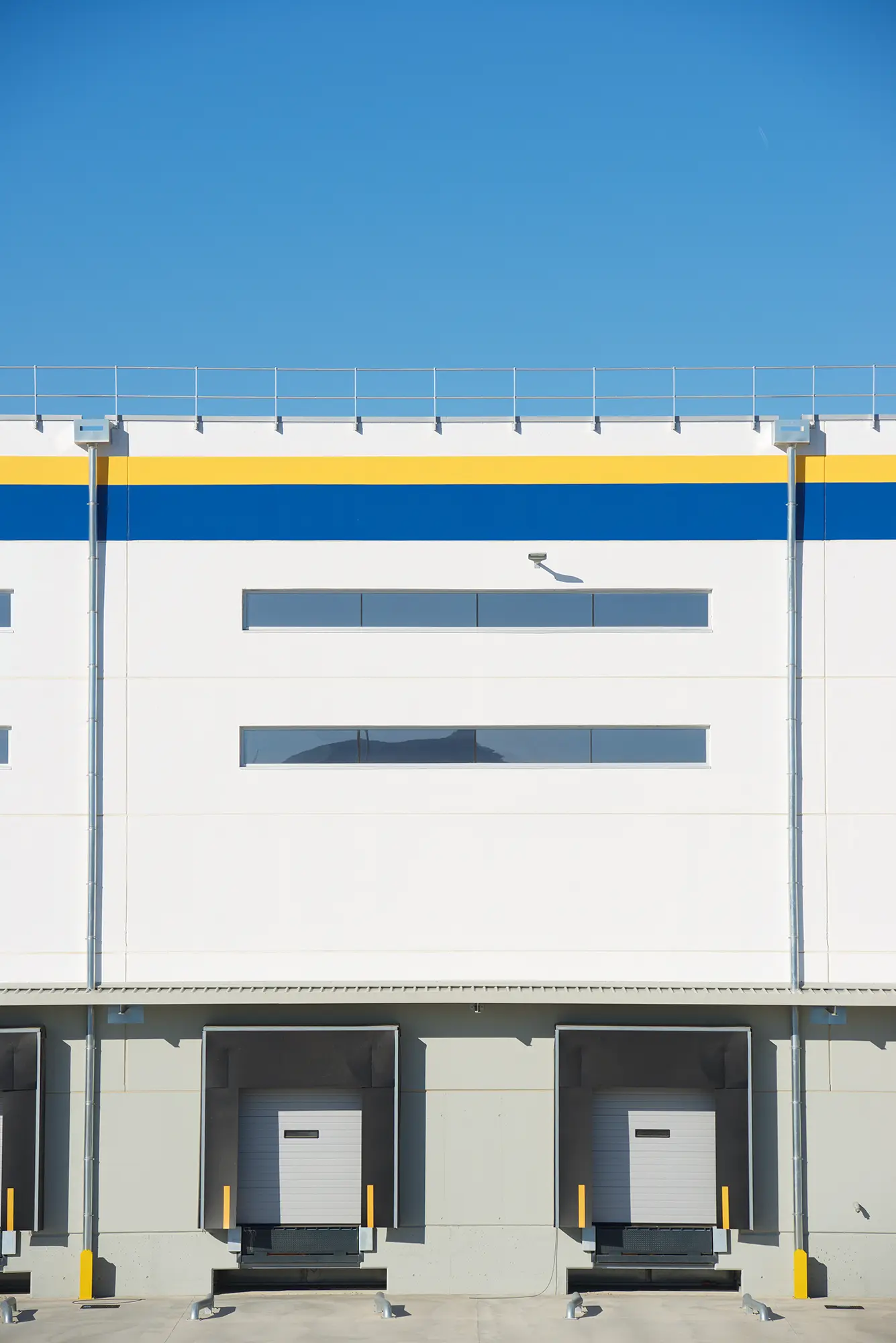
Airport cold storage facility with cargo handling and refrigerated trucks
Position

Airside vs landside — fundamentally different facilities.

Airside cold storage is inside the secure airport perimeter, with direct aircraft access. Tight time windows, highest-value perishables and time-critical pharma cold chain, deeper security clearance, often FTZ-designated. Landside cold storage is outside the secure perimeter, near airport. Trailer transfer to airline for aircraft loading. Slightly longer timing but more operational flexibility.

  • Airside — direct aircraft access, tightest windows, deepest security
  • Landside — near-airport (typically within 5–10 miles)
  • Landside cold storage has more operational flexibility
  • FTZ designation possible for both
  • Major hubs often have both airside and landside operations
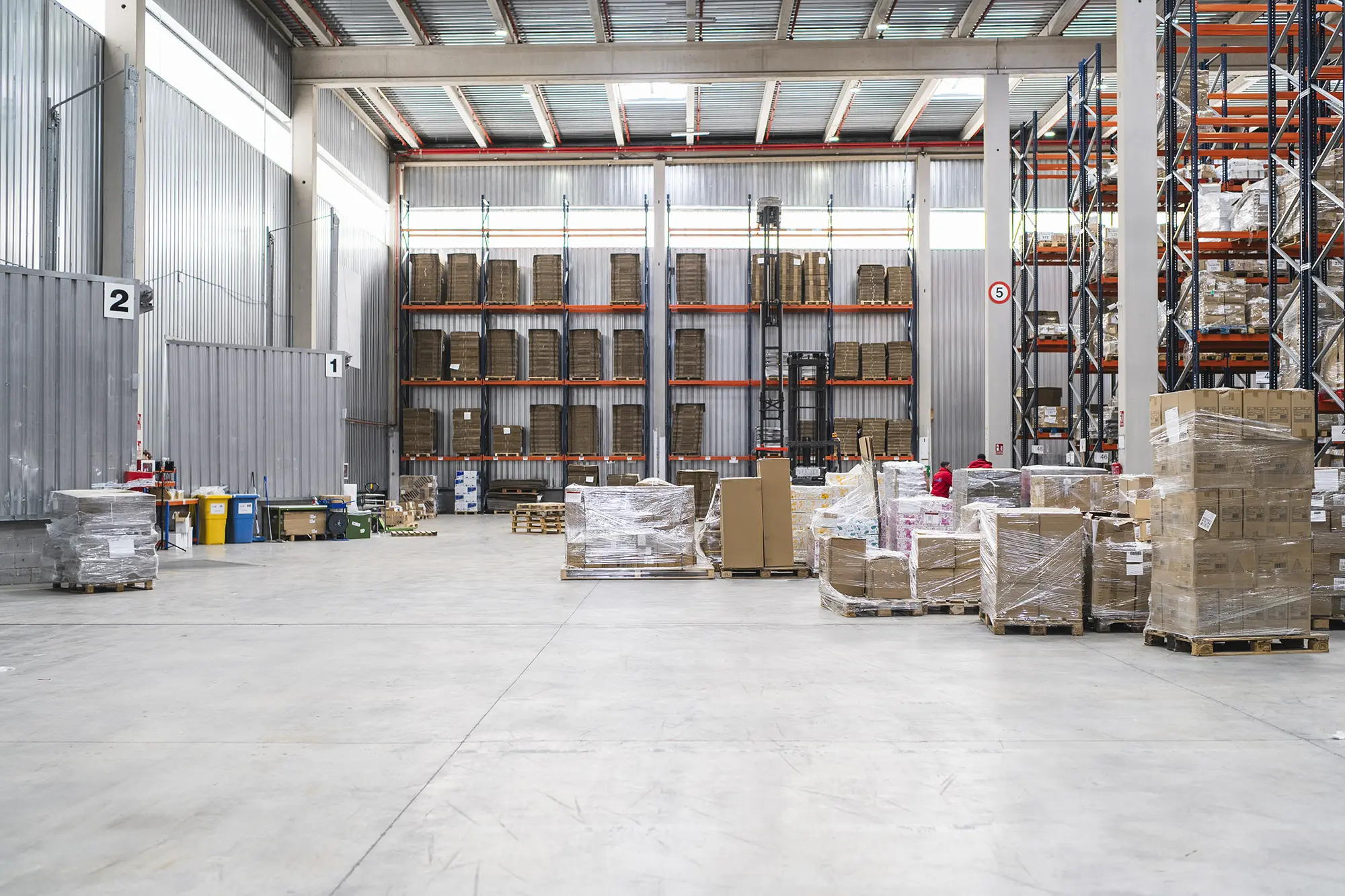
Air cargo cold storage facility with palletized perishables for aircraft loading
FTZ & Customs

Duty deferral through FTZ designation.

Imports stored in FTZ-designated facilities can defer or eliminate duties — a major economic driver for high-value perishable imports. FTZ designation requires application to FTZ Board (US Department of Commerce), specific operational procedures, CBP coordination, and facility design considerations. Customs-bonded operations under CBP jurisdiction add additional facility design constraints.

  • FTZ Board application (US Department of Commerce)
  • Entry and exit controls per FTZ regulations
  • Documentation systems supporting CBP
  • Physical security per FTZ requirements
  • Bonded storage area designation
  • CBP inspection access and infrastructure
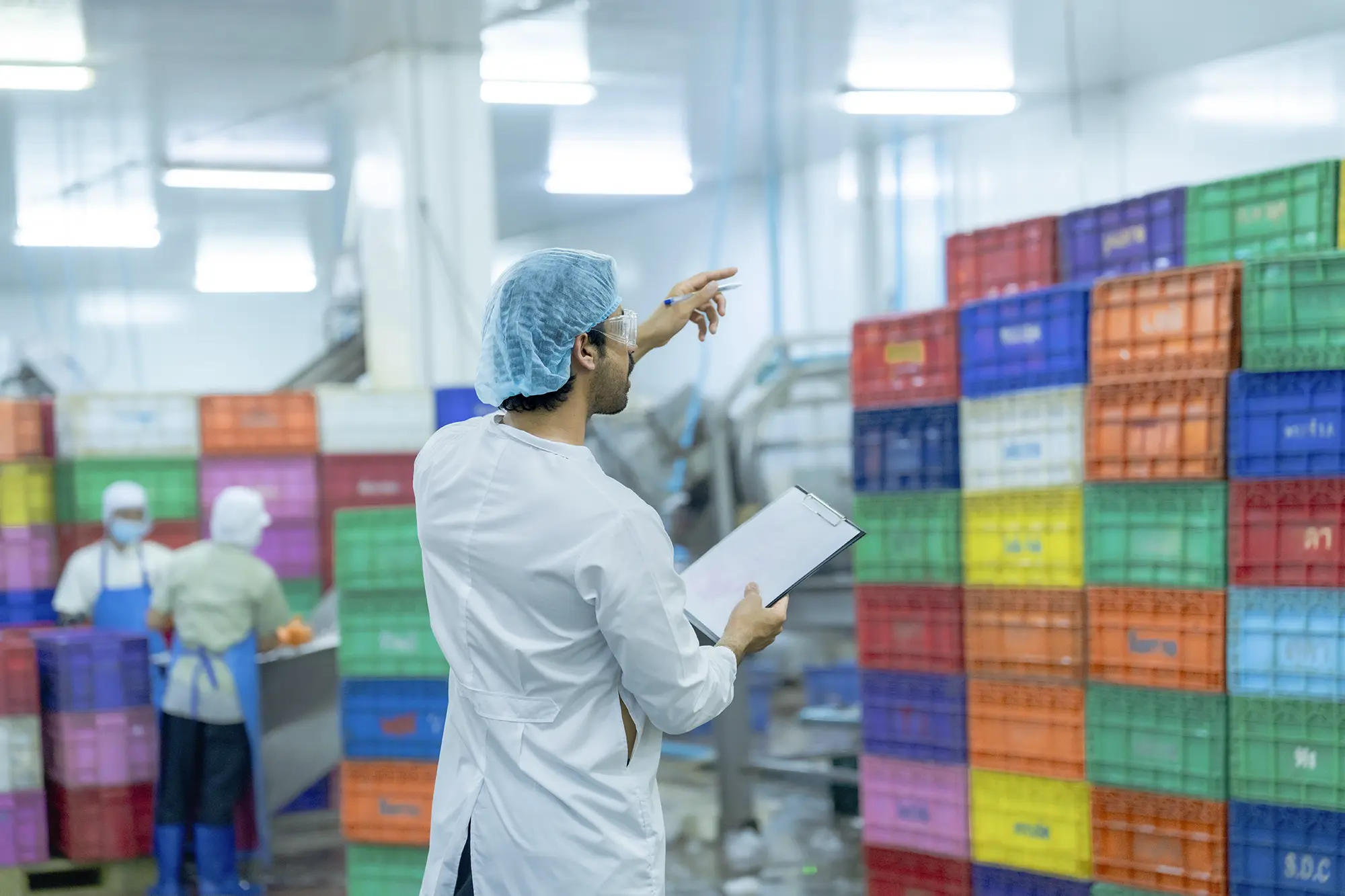
FTZ-designated cold storage facility with customs-bonded operations
Facility Types

Airside, landside, pharma, FTZ specialty

Airside cold storage: Inside secure airport perimeter, direct aircraft access. Highest-value perishables, time-critical pharma cold chain. Airport security infrastructure, TSA cargo screening where required, often FTZ-designated.

Landside cold storage: Outside secure perimeter, near airport. Trailer transfer to airline. Proximity to airport (5–10 miles typical), high-cycle dock infrastructure, FTZ designation often, security infrastructure.

Air cargo pharma: GDP-compliant pharmaceutical cold chain for air cargo. Validated temperature monitoring, N+1 redundancy, calibrated instrumentation, DSCSA compliance.

FTZ cold storage: Treated as outside US customs territory for duty purposes. Imports handled under CBP and Customs supervision per FTZ Board requirements.

Security

Multiple security frameworks at once

  • TSA compliance for cargo screening (sometimes required)
  • CBP coordination for customs-bonded operations
  • Airport security with access control, perimeter security, CCTV
  • TSA cargo screening infrastructure (X-ray, ETD — explosives trace detection)
  • Secure storage zones for high-value or sensitive cargo
Dock Infrastructure

High-cycle for time-critical operations

Air cargo operations cycle docks much faster than typical distribution:

  • High-cycle refrigerated overhead doors
  • Dock seals or shelters for varied trailer geometry
  • Vertical-storing levelers for fast cycle
  • Air curtains and high-speed roll-up doors at zone transitions
Multi-Temperature

Different perishables, different temperatures

  • Pharmaceutical at 2°C–8°C
  • Fresh seafood at 32°F–34°F (sometimes slush ice handling)
  • Premium meat at refrigerated (35°F–40°F)
  • Floral at varied (35°F–65°F by flower type)
  • Frozen specialty products

Multi-zone refrigeration with independent zone controls.

Operations

24/7 operations and cold chain integrity

Facilities operating around the clock:

  • LED lighting with adequate light levels for night operations
  • Sound and operational considerations for adjacent properties
  • Operational continuity planning for refrigeration maintenance
  • Service contracts with rapid response for after-hours issues

Cold chain integrity through tight operational windows: dock seals preventing infiltration during transfer, refrigerated trailer pre-cooling, temperature monitoring during staging, cold chain documentation per cargo requirements.

Hubs

Major air cargo cold storage hubs

  • ATL — Atlanta; major Southeast hub
  • MIA — Miami; Latin American imports
  • JFK — NYC; European and Asian imports
  • LAX — Los Angeles; Pacific imports
  • ORD — Chicago; Midwest hub
  • DFW — Dallas/Fort Worth; central US hub
  • MEM — Memphis; FedEx world hub
  • LOU/SDF — Louisville; UPS Worldport
Planning Ranges

Reference ranges and key figures.

20k–50k SF

Facility Size (specialty)

Small operations

50k–150k SF

Facility Size (medium hub)

Medium hub operations

200k+ SF

Facility Size (major hub)

Major air cargo hubs

N+1

Pharma Air Cargo Redundancy

Standard for GDP pharma

24/7

Operations Pattern

Matching aircraft schedules

2°C–8°C

Pharma Temp Range

Validated multi-zone capability

Services

Cold Storage Solutions, End to End

❄️ Cold Storage🧊 Blast Freeze🏗️ New Build🔧 Retrofit🌡️ Multi-Temp💊 Pharma-Grade📦 3PL Warehouses
FAQ

Common Questions

What's airside vs landside cold storage?

Airside cold storage is inside the secure airport perimeter, with direct aircraft access. Landside cold storage is outside the secure perimeter, with trailer transfer to airline for aircraft loading. Airside operations are faster but require deeper security clearance and infrastructure. Landside operations are more flexible but slightly slower.

What is FTZ designation?

Foreign Trade Zone designation treats the facility as outside US customs territory for duty purposes. Imports stored in FTZ-designated facilities can defer or eliminate duties. FTZ designation requires application to FTZ Board, specific operational procedures, CBP coordination, and facility design considerations. Common for major airport cold storage operations.

Does airport cold storage require special construction?

Yes. Airport cold storage requires security infrastructure (TSA, CBP, airport security), high-cycle dock infrastructure for time-critical operations, multi-temperature capability, FTZ compliance where applicable, 24/7 operations support, and integration with airport or near-airport infrastructure.

What perishables move through air cargo cold storage?

Time-critical perishables: fresh seafood, premium produce, pharmaceutical cold chain (vaccines, biologics, clinical materials), floral imports (especially South American imports), premium meat (especially international origins), and specialty time-sensitive cargo.

How does pharmaceutical air cargo cold storage differ?

Pharmaceutical air cargo requires GDP compliance throughout cold chain, validated temperature monitoring, N+1 redundancy, calibrated instrumentation, DSCSA documentation, integration with pharma cold chain operators. Construction supports these requirements.

Are airport cold storage facilities owned by airlines or operators?

Both. Some are operated by airlines for their cargo operations. Most are operated by specialty cold chain logistics operators (CSafe, Envirotainer, World Courier, regional operators) who serve multiple airlines.

Where are major airport cold storage facilities located?

Major hubs: ATL (Atlanta), MIA (Miami), JFK (NYC), LAX (Los Angeles), ORD (Chicago), DFW (Dallas), MEM (Memphis FedEx hub), LOU (Louisville UPS hub), and similar major air cargo hubs.

What's the typical airport cold storage facility size?

Variable. Small specialty operations: 20,000–50,000 SF. Medium hub operations: 50,000–150,000 SF. Major air cargo hub operations: 200,000+ SF. Often phased construction as operations grow.

Field Log· Houston · 29.66°N · 95.47°WOperating Range−40°F → 70°F · ±0.5°FR-Value30–60 IMP
Call UsRequest a Quote