Port & Port-Adjacent Cold Storage Construction

Port cold storage handles refrigerated imports and exports moving through maritime channels — seafood imports, refrigerated container (reefer) cargo, frozen meat exports, fresh produce imports from Latin America, beverage imports, and pharmaceutical cold chain. The construction problems are distinct: port-adjacent positioning, FTZ designation, customs-bonded operations, reefer container handling integration, rapid vessel-to-truck transfer infrastructure, and the operational rhythm of maritime shipping.

By US Cold Storage Builders Engineering Team
📅 Now booking 60–90 days out | Call (346) 676 - COLD
Performance IndexUpdated quarterly
FTZ
Designation Common for Imports
Reefer
Container Integration
Hurricane-Rated
Gulf & Atlantic Coast Builds
CBP-Bonded
Customs Operations Standard
Port / Maritime

Eight constraints that distinguish port cold storage.

What's Demanded

Port operations impose specific construction constraints.

Port-adjacent positioning with road access matched to truck flow from container terminals. Reefer container integration — staging, plug-in, transfer. FTZ designation for duty deferral on imports. Customs-bonded operations under CBP. High-volume container handling. Rapid transfer for vessel turnaround. Maritime weather considerations including hurricane and flood risk. International origin compliance.

  • Port-adjacent positioning — road access from container terminals
  • Reefer container integration — staging, plug-in, transfer
  • FTZ designation for duty deferral on imports
  • Customs-bonded operations under CBP jurisdiction
  • High-volume container handling (vessel, truck, sometimes rail)
  • Rapid transfer for vessel turnaround and trucking efficiency
  • Hurricane and flood risk in coastal locations
  • International origin compliance documentation
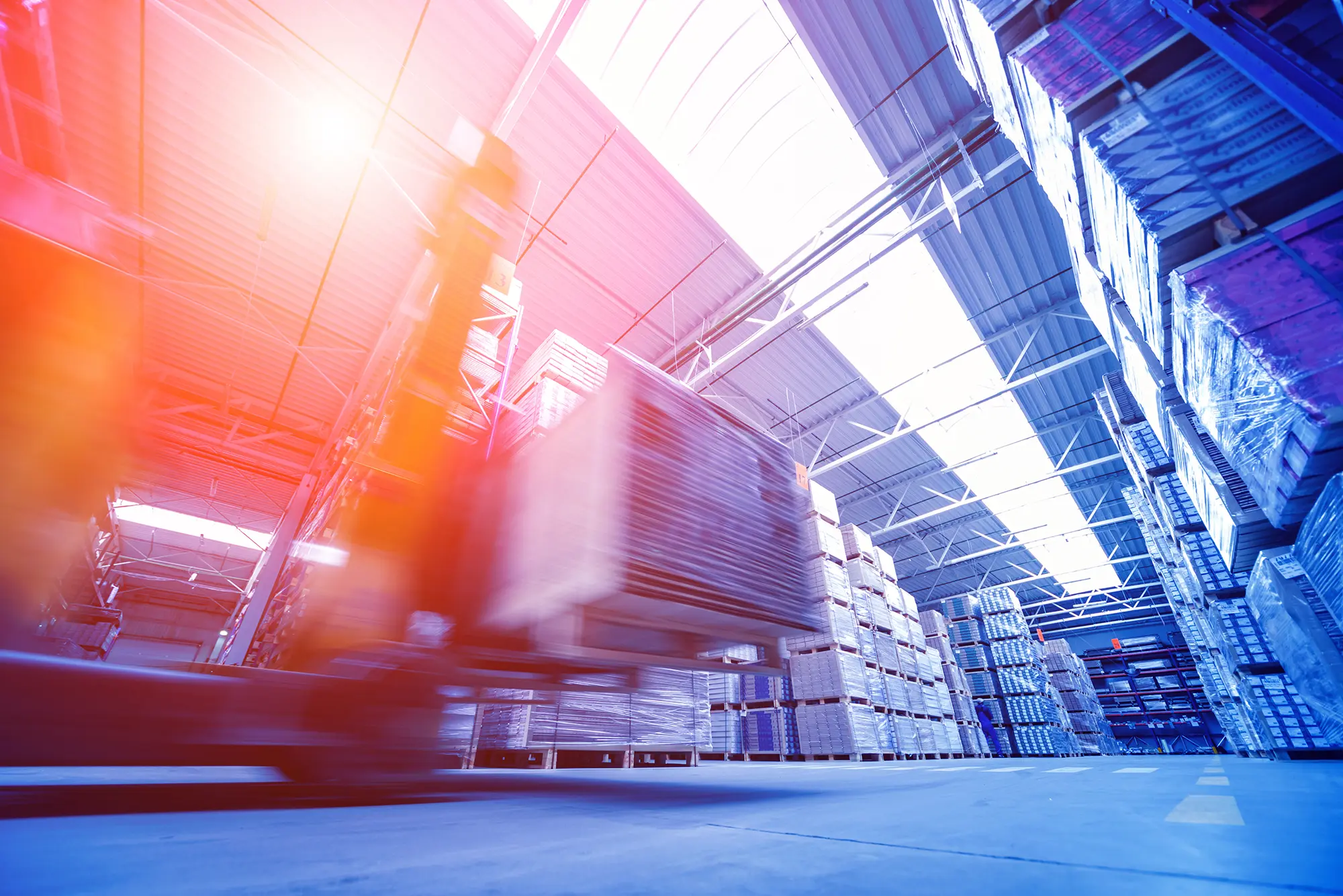
Port cold storage facility yard with forklift and containers
Reefer Handling

Reefer container integration where applicable.

Many port operations handle refrigerated containers directly — staging containers, plug-in to facility power for in-container refrigeration, container destuffing into bulk refrigerated storage, or rack handling of containers. Specialty operations build their infrastructure around reefer container handling.

  • Reefer plug-in infrastructure — electrical capacity for many containers
  • Container yard with proper drainage and surfacing
  • Container handling equipment (cranes, top-handlers, side-loaders, terminal tractors)
  • Reefer monitoring systems for in-container temperature integrity
  • Integration with truck-to-container transfer operations
Refrigerated container yard at port with reefer plug-in infrastructure
Coastal Resilience

Hurricane and flood-resistant construction.

Hurricane-prone areas (Gulf Coast, Atlantic from Florida through Carolinas) require hurricane-rated construction: hurricane-rated envelope, wind-resistant connections, wind load reinforcement throughout. Low-elevation port areas require flood-resistant design: raised slab, flood barriers, drainage. Backup power for sustained outage scenarios.

  • Hurricane-rated envelope in hurricane-prone areas
  • Wind-resistant construction to relevant codes
  • Florida especially has more stringent construction code
  • Flood-resistant design in low-elevation areas
  • Raised slab, flood barriers, drainage as needed
  • Backup power for sustained outage scenarios
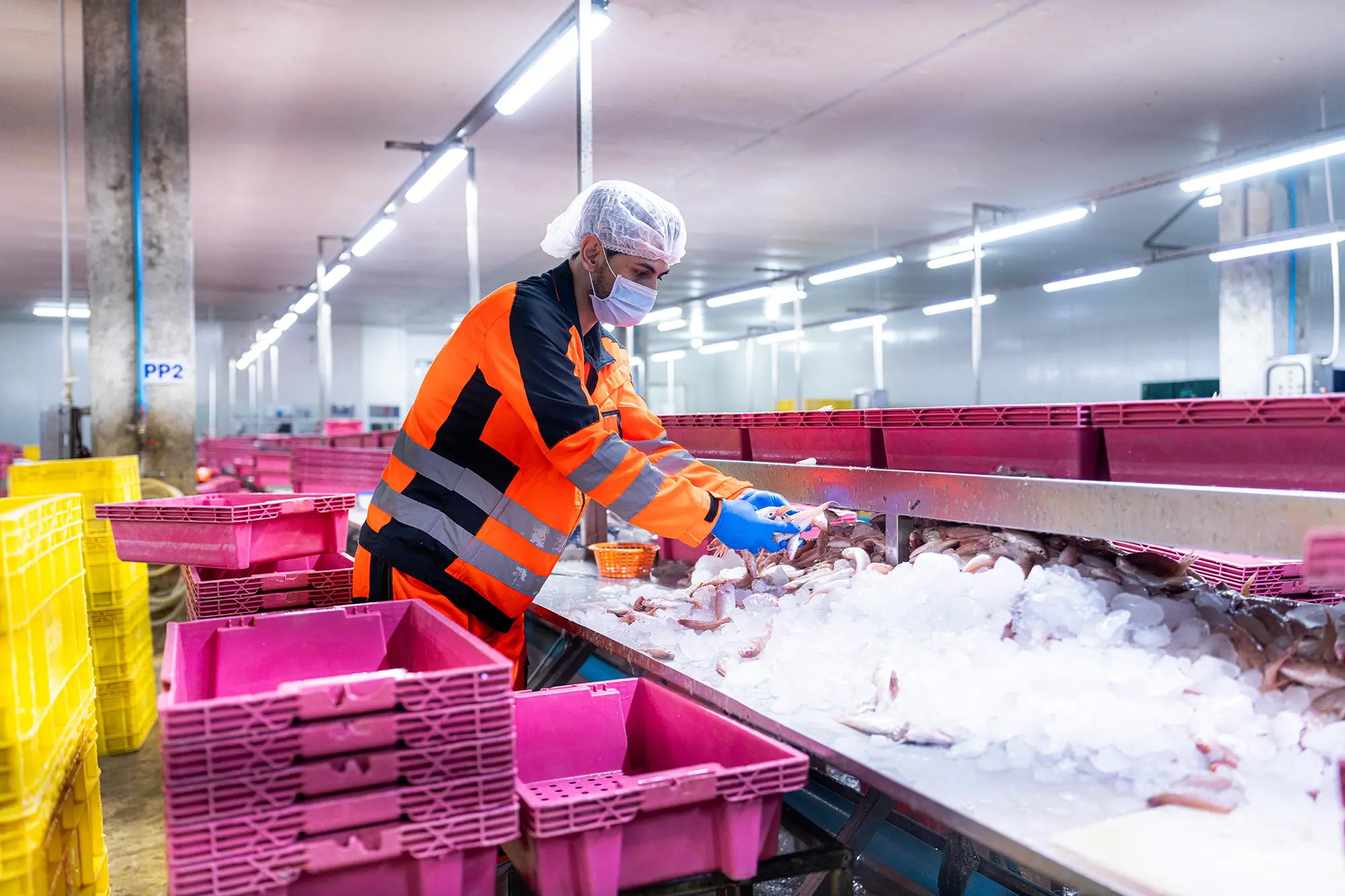
Port cold storage handling seafood imports through maritime cold chain
Facility Types

Refrigerated import/export, frozen, reefer, pharma, seafood

Refrigerated import/export: Refrigerated imports from international origins (Latin American produce, European/Asian seafood) and refrigerated exports. FTZ designation for duty deferral, customs-bonded design, reefer container handling integration, port-adjacent positioning, dock infrastructure for truck transfer.

Frozen import/export: Frozen imports (seafood, produce, meat) and exports (US frozen exports, often beef/poultry). Frozen storage at -10°F to 0°F, heated underslab, ammonia or ammonia/glycol secondary refrigeration with N+1 redundancy, FTZ designation typical.

Reefer container handling: Reefer (refrigerated container) handling at the port or near-port facility. Containers held in-container while plug-in to facility power.

Pharmaceutical cold chain at ports: GDP-compliant pharmaceutical imports through major ports (Miami, NYC/Newark, LA/Long Beach, Houston). Validated monitoring, redundancy, DSCSA compliance.

Seafood imports: Specialty seafood handling at major seafood ports (Boston, Norfolk, LA/Long Beach, NYC, Miami).

Floral and specialty: Specialty perishable imports (floral, premium produce, specialty foods). Multi-temperature capability, often FTZ designation.

Site Considerations

Port-adjacent sites and their challenges

  • Land cost premium — port-adjacent land is expensive
  • Site constraints — limited site area, irregular geometry
  • Utility coordination — major utility upgrades sometimes required
  • Permitting complexity — port authority coordination, sometimes state coastal management
  • Hurricane/flood risk — Gulf Coast and Atlantic ports face hurricane risk; flood risk in low-elevation areas
  • Heavy traffic — truck flow from container terminals
FTZ Compliance

Construction supporting Foreign Trade Zone designation

  • Application to FTZ Board (US Department of Commerce)
  • Physical infrastructure supporting FTZ operations
  • Documentation systems for CBP coordination
  • Security infrastructure meeting FTZ requirements
  • Operational procedures embedded in facility design
  • Ongoing compliance maintained through operations
Customs-Bonded

CBP-bonded facility construction

  • Physical security per CBP requirements
  • Bonded storage area designation
  • Bonded transport integration where applicable
  • Documentation systems for CBP coordination
  • CBP inspection access and infrastructure
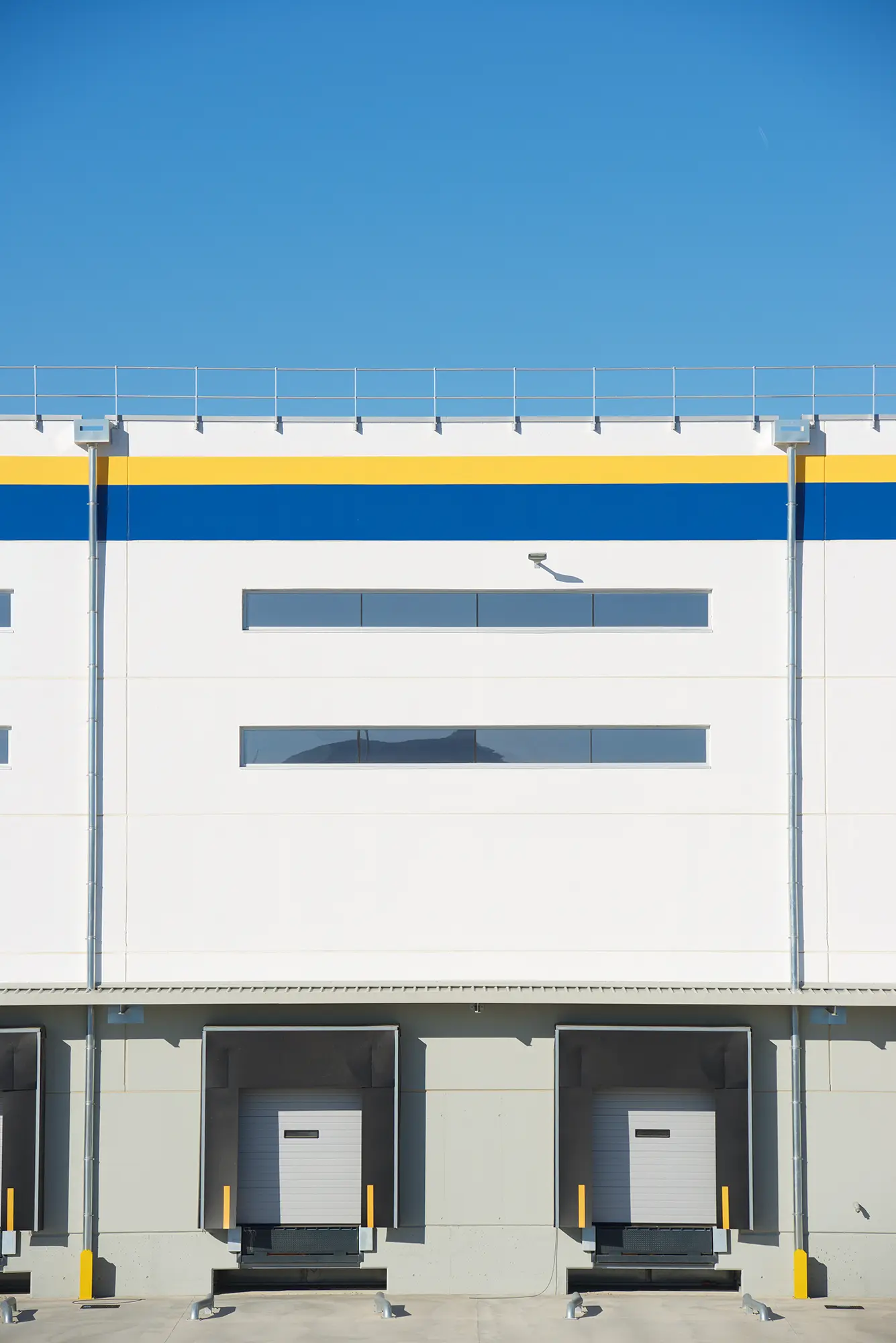
Dock Infrastructure

High-cycle for port operations

Port operations cycle docks frequently:

  • High-cycle refrigerated overhead doors
  • Dock infrastructure for multiple trailer types
  • Container chassis handling separate from trailer handling
  • Truck flow coordination matching vessel discharge
Cold Chain

Continuity through maritime transfer

Cold chain continuity through:

  1. Vessel arrival
  2. Reefer container offload
  3. Container staging at port
  4. Container or refrigerated truck transfer
  5. Cold storage receipt
  6. Outbound truck loading
  7. Refrigerated truck departure

Temperature monitoring throughout. Documentation continuous.

Major Ports

Where US port cold storage concentrates

  • LA / Long Beach — Pacific imports
  • Miami — Caribbean and Latin American imports
  • NYC / Newark — European imports
  • Houston — Gulf imports, energy market
  • Norfolk — East Coast imports
  • Savannah — Southeast imports
  • Charleston — Southeast imports
  • Boston — major seafood port
Planning Ranges

Reference ranges and key figures.

Variable

Coastal Construction Premium

Land + hurricane + permitting

Required

Hurricane-Rated Envelope

Gulf Coast & FL through Carolinas

Site-specific

Flood-Resistant Design

Low-elevation port areas

Common

FTZ Designation

Major port cold storage operations

-10°F to 0°F

Frozen Import/Export Temp

Standard frozen storage spec

2°C–8°C

Pharma Port Temp

GDP + DSCSA compliance

Services

Cold Storage Solutions, End to End

❄️ Cold Storage🧊 Blast Freeze🏗️ New Build🔧 Retrofit🌡️ Multi-Temp💊 Pharma-Grade📦 3PL Warehouses
FAQ

Common Questions

What is FTZ designation for cold storage?

Foreign Trade Zone designation treats the cold storage facility as outside US customs territory for duty purposes. Imports stored in FTZ-designated facility can defer or eliminate duties. Application to FTZ Board, specific operational procedures, CBP coordination required.

Where are major port cold storage facilities located?

Major ports: LA/Long Beach (Pacific imports), Miami (Caribbean and Latin American imports), NYC/Newark (European imports), Houston (Gulf imports, energy market), Norfolk (East Coast imports), Savannah (Southeast imports), Charleston (Southeast). Many cold storage facilities are port-adjacent or near-port.

Why is port cold storage construction more expensive than inland cold storage?

Multiple factors: port-adjacent land cost premium, hurricane/flood resilience construction in coastal locations, FTZ compliance requirements, customs-bonded design, more complex permitting (port authority, sometimes state coastal management), and sometimes specialty utility coordination.

Does port cold storage handle reefer containers?

Often yes. Many port cold storage operations handle reefer containers directly — staging containers, plug-in to facility power for in-container refrigeration, container destuffing into bulk refrigerated storage, or rack handling of containers. Specialty operations build their infrastructure around reefer container handling.

What perishables move through port cold storage?

Imports: fresh produce from Latin America (avocados, mangoes, berries, vegetables), seafood (many origins), refrigerated meat imports, frozen seafood, floral imports, beverage imports, specialty perishables. Exports: refrigerated and frozen meat, frozen poultry, frozen seafood, specialty food exports.

How does hurricane resilience affect port cold storage construction?

Hurricane-prone areas (Gulf Coast, Atlantic from Florida through Carolinas) require hurricane-rated construction: hurricane-rated envelope, wind-resistant connections, sometimes flood-resistant design (raised slab, flood barriers), wind load reinforcement throughout. Construction code in hurricane areas (Florida especially) is more stringent than inland.

Can existing buildings be retrofitted to port cold storage?

Sometimes. Port-adjacent industrial buildings can be converted to cold storage with proper feasibility evaluation. Existing structural capacity for cold storage loads, electrical service for refrigeration, slab condition, and dock infrastructure all factor into feasibility. Customs-bonded designation requires specific facility design, sometimes precluding retrofit.

What's the volume of cold storage at major ports?

Highly variable. Major ports (LA/Long Beach, Miami, NYC/Newark) have collective port-adjacent cold storage in the millions of SF. Other ports have specialty cold storage operations. Cold storage construction adjacent to major ports continues growing as cold chain imports expand.

Field Log· Houston · 29.66°N · 95.47°WOperating Range−40°F → 70°F · ±0.5°FR-Value30–60 IMP
Call UsRequest a Quote