3PL & Public Refrigerated Warehouse (PRW) Construction

Third-party logistics (3PL) cold storage operators build facilities to serve multiple tenants under a single roof. The construction problem is different from single-tenant DCs: tenant separation, shared refrigeration plant with independent zone controls, dock allocation across tenants, utility metering, security per tenant, and operational flexibility for changing tenant mix. USCB has direct reference work in this vertical — We Store Frozen, the 100,000 SF 3PL frozen storage facility in Houston, opened with 70% of capacity pre-sold and onboarded 65 customers including seven Fortune 500 clients.

By US Cold Storage Builders Engineering Team
📅 Now booking 60–90 days out | Call (346) 676 - COLD
Featured Project

We Store Frozen — 100,000 SF Multi-Tenant Frozen 3PL, Houston

Box-in-box retrofit inside a Hines Class A shell. Glycol secondary loop refrigeration. Multi-tenant suite separation. Opened with 70% capacity pre-sold; onboarded 65 customers including seven Fortune 500.

Read the case study
Performance IndexUpdated quarterly
100,000 SF
We Store Frozen Reference
65 customers
Onboarded at WSF
7 Fortune 500
Among WSF customers
70%
Pre-Sold at WSF Launch
3PL / PRW

Multi-tenant cold storage — eight construction problems single-tenant DCs don't have.

Operational Identity

What makes 3PL cold storage different.

Each tenant operates as if they have their own facility. Physical separation, operational independence, sometimes refrigeration independence. Shared plant serves independent zones. Dock positions allocated or shared. Sub-metered utilities. Security per tenant. Operational flexibility for changing tenant mix. Compliance across multiple regulatory frameworks at once.

  • Tenant separation — physical and operational
  • Shared refrigeration plant with independent zone controls
  • Dock allocation — dedicated, shared, or hybrid
  • Utility sub-metering per tenant for billing accuracy
  • Security per tenant with access control
  • Operational flexibility for changing tenant mix
  • Compliance across tenants (USDA, FDA, SQF, BRC, kosher, halal)
  • Lease terms supported by construction quality
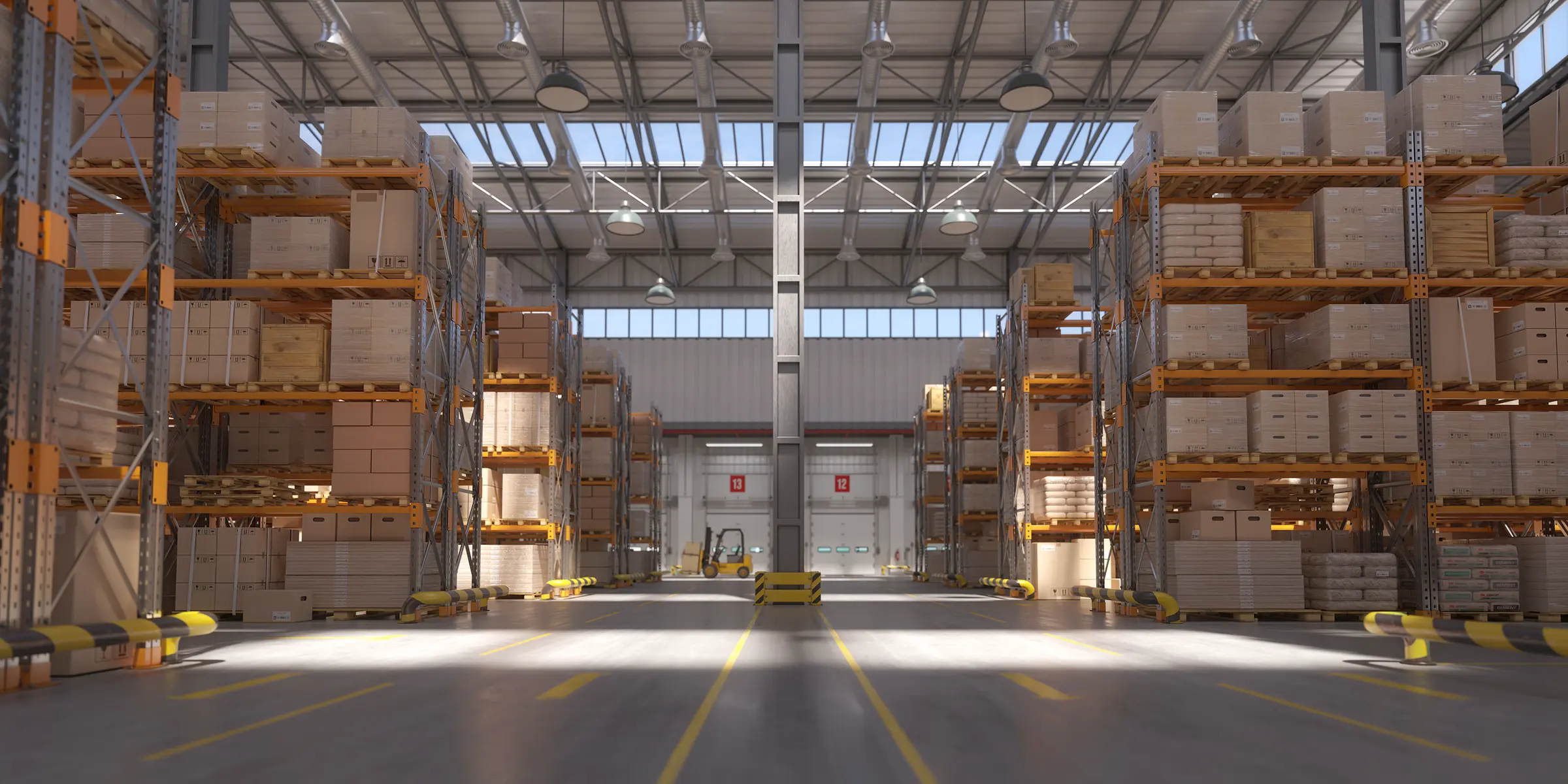
Multi-tenant 3PL refrigerated warehouse with tenant zones
Refrigeration

Glycol secondary loop is the multi-tenant standard.

Multi-tenant frozen facilities almost always use glycol secondary loop refrigeration. Ammonia stays in the mechanical room; glycol-water circulates through evaporators in tenant zones. Eliminates ammonia exposure in occupied space — important when tenants have varied employee training and ammonia tolerance. 5–15% efficiency penalty is acceptable trade-off for safety and operational simplicity.

  • Ammonia in mechanical room; glycol in cold space
  • Eliminates tenant ammonia exposure and training overhead
  • Reduces ammonia charge → smaller PSM compliance footprint
  • Independent zone controls allow tenant-managed temperatures
  • N+1 redundancy across compressor count
  • Heat recovery shared across tenants (underslab, building heat)
Glycol secondary loop mechanical room in multi-tenant 3PL cold storage
Pre-Selling

Build first, lease up during construction.

Speculative 3PL is common — operators build first, sign tenants during construction and ramp-up. Pre-construction includes tenant requirements analysis. Construction schedule committed to support tenant move-in dates. Tenant onboarding overlaps commissioning and ramp-up.

  • Tenant requirements analysis in pre-construction
  • Construction schedule committed to tenant move-in dates
  • Tenant onboarding during commissioning and ramp-up
  • Operations launch with as much pre-sold capacity as possible
  • We Store Frozen reference: 70% pre-sold; 65 customers onboarded
  • Future-reconfiguration planned into initial design
Multi-tenant 3PL ramp-up with tenant operations onboarding
Tenant Suites

Tenant suite wall construction

Physical separation between tenant zones using IMP walls with vapor barriers:

  • Full-height IMP walls from slab to ceiling/roof, with full vapor seal
  • Doors with access control per tenant
  • Sound-insulated where operations vary significantly
  • Removable for future tenant mix changes (planning for reconfiguration)

Tenant suite walls add modest cost to baseline cold storage construction. Worth it for operational independence.

Shared Plant

Shared refrigeration with zone independence

  • Compressor packages sized for total combined load
  • Glycol secondary loop common for multi-tenant safety
  • Independent zone controls — tenants manage their own temperature
  • Sub-metered refrigeration capacity per zone for billing
  • Heat recovery integrated for shared use (underslab heat, building heat)
  • N+1 redundancy standard
Dock Allocation

Three allocation models

  • Dedicated docks per tenant: Each tenant has assigned doors. Simpler operationally but less efficient utilization.
  • Shared docks: All tenants share all doors with appointment-based allocation. Higher utilization, more coordination overhead.
  • Hybrid: Some dedicated, some shared. Most operators use this model.

Dock infrastructure:

  • Refrigerated overhead doors appropriate for facility temperature
  • Dock shelters (rather than seals) for variable trailer geometry across tenants
  • Sub-metered loading bay lighting per tenant for billing
Utility Metering

Sub-metering for accurate tenant billing

  • Electricity sub-metering per tenant — refrigeration, lighting, fork truck charging
  • Water sub-metering for cleaning operations
  • Gas sub-metering if gas service to tenant areas
  • Refrigeration tonnage sub-metering where possible
Security

Tenant-specific access control

  • Card or biometric access to tenant zones
  • Visitor management integrated with tenant operations
  • Yard security with controlled trailer entry
  • CCTV with tenant-zone access
  • Sometimes physical separation between tenant zones
Facility Types

Refrigerated, frozen, multi-temp, pharma 3PL

Refrigerated 3PL (34°F–55°F): Food, beverage, dairy, foodservice distributors. Sanitary detailing where USDA tenants present.

Frozen 3PL (-10°F to 0°F): Frozen food, ice cream, frozen protein, frozen retail 3PL. Heated underslab. 6"+ IMP envelope. N+1 redundancy. Reference: We Store Frozen.

Multi-Temperature 3PL: Independent zone refrigeration on shared plant, interior IMP walls between zones, dock allocation per zone.

Pharmaceutical 3PL (DSCSA): GDP compliant throughout, validated temperature monitoring, DSCSA track-and-trace, security per pharma standards.

Tenant Mix

Designed for change over time

  • Initial tenant mix drives initial design
  • Future flexibility planned for changing tenant requirements
  • Reconfiguration as tenants move in/out
  • Capacity addition as facility grows

Tenant suite walls designed as removable. Dock allocation rebalances. Refrigeration zone definitions adjust. The facility is operationally durable across the changing tenant mix that defines 3PL economics.

Planning Ranges

Reference ranges and key figures.

5–15%

Glycol Efficiency Penalty

vs ammonia DX; worth it for multi-tenant

$1.50–$3/SF/mo

3PL Lease (refrigerated)

Texas baseline; CA/NE higher

$2–$5/SF/mo

3PL Lease (frozen)

Texas baseline; CA/NE higher

$3–$7+/SF/mo

3PL Lease (pharma)

Validated GDP

N+1

Refrigeration Redundancy

Standard; N+2 for pharma 3PL

65

WSF Customers Onboarded

Including 7 Fortune 500

Services

Cold Storage Solutions, End to End

❄️ Cold Storage🧊 Blast Freeze🏗️ New Build🔧 Retrofit🌡️ Multi-Temp💊 Pharma-Grade📦 3PL Warehouses
FAQ

Common Questions

What's the difference between 3PL cold storage and a single-tenant DC?

3PL serves multiple tenants under one roof. Single-tenant DC serves one company. 3PL construction requires tenant separation, shared refrigeration with zone independence, dock allocation flexibility, utility sub-metering, and operational flexibility for changing tenant mix. Single-tenant DCs optimize entirely for one operation.

How do tenants share refrigeration in a 3PL facility?

Shared refrigeration plant (typically ammonia or ammonia with glycol secondary loop) serves multiple zones. Each tenant's zone has independent temperature controls. Plant capacity sized for combined peak load. Sub-metered capacity per zone for billing.

Why does We Store Frozen use glycol secondary loop?

Glycol secondary loop keeps ammonia in the mechanical room rather than in tenant-occupied space. For multi-tenant frozen facilities with multiple tenants and their employees having varied training levels, glycol secondary loop is the standard architecture. Trade-off: 5–15% efficiency penalty for operational and safety advantages.

Can tenants have different compliance requirements?

Yes. A 3PL facility serves tenants with varied compliance: some USDA-FSIS regulated, some FDA regulated, some SQF/BRC certified, some kosher/halal certified. Construction supports all major compliance frameworks. Specific tenant operations may require additional finishes or detailing.

How is dock allocation managed across tenants?

Three models: dedicated docks per tenant (simpler but less efficient), shared docks with appointment-based allocation (more efficient but more coordination), or hybrid (some dedicated, some shared). Selection depends on tenant mix, throughput, and operational philosophy. Most operators use hybrid models.

Can a 3PL facility be retrofitted?

Yes. The We Store Frozen 100,000 SF retrofit inside a Hines Class A shell is reference work. Retrofit feasibility depends on existing slab, structural capacity, electrical service, and dock infrastructure. Multi-tenant retrofits add complexity in tenant suite wall construction and refrigeration zone independence.

What's the leasing economics of cold storage 3PL?

Highly variable by market. Cold storage 3PL leases run $1.50–$5/SF/month gross or net+pass-throughs depending on temperature, location, services. Frozen rates higher than refrigerated. Pharmaceutical higher still. Texas baseline competitive; California and Northeast significantly higher.

Do you help operators develop 3PL facilities they don't yet have tenants for?

Yes. Speculative 3PL construction is common — operators build first, lease up during construction and ramp-up. USCB has supported speculative 3PL projects. Pre-construction includes tenant requirements analysis to inform initial design and reconfiguration flexibility.

Field Log· Houston · 29.66°N · 95.47°WOperating Range−40°F → 70°F · ±0.5°FR-Value30–60 IMP
Call UsRequest a Quote