Cold Storage Warehouse

A cold storage warehouse is a temperature-controlled building engineered to hold product at a precise temperature, from 55°F coolers down to -40°F blast freezing, regardless of outside conditions. Every element, the insulated envelope, vapor barrier, refrigeration, floor system, and docks, exists to manage heat.

By US Cold Storage Builders Engineering Team
📅 Now booking 60–90 days out | Call (346) 676 - COLD
Performance IndexUpdated quarterly
55°F to -40°F
Operating Temperature Range
$155-$360/SF
2026 Cost Range by Class
8-16 mo.
Typical Timeline
Cold Storage Warehouse

A cold storage warehouse is a thermal system, not a building with a cooler bolted on.

Definition

What a cold storage warehouse actually is.

The defining difference from a dry warehouse is the thermal envelope: a continuous insulated, vapor-sealed shell that separates the controlled interior from ambient conditions. A dry warehouse keeps rain out. A cold storage warehouse has to keep heat and moisture out continuously, for the life of the building.

  • Continuous insulated metal panel envelope, not tilt-up or metal cladding
  • Vapor barrier sealed at every joint and penetration
  • Refrigeration sized to the real heat load, not the building volume
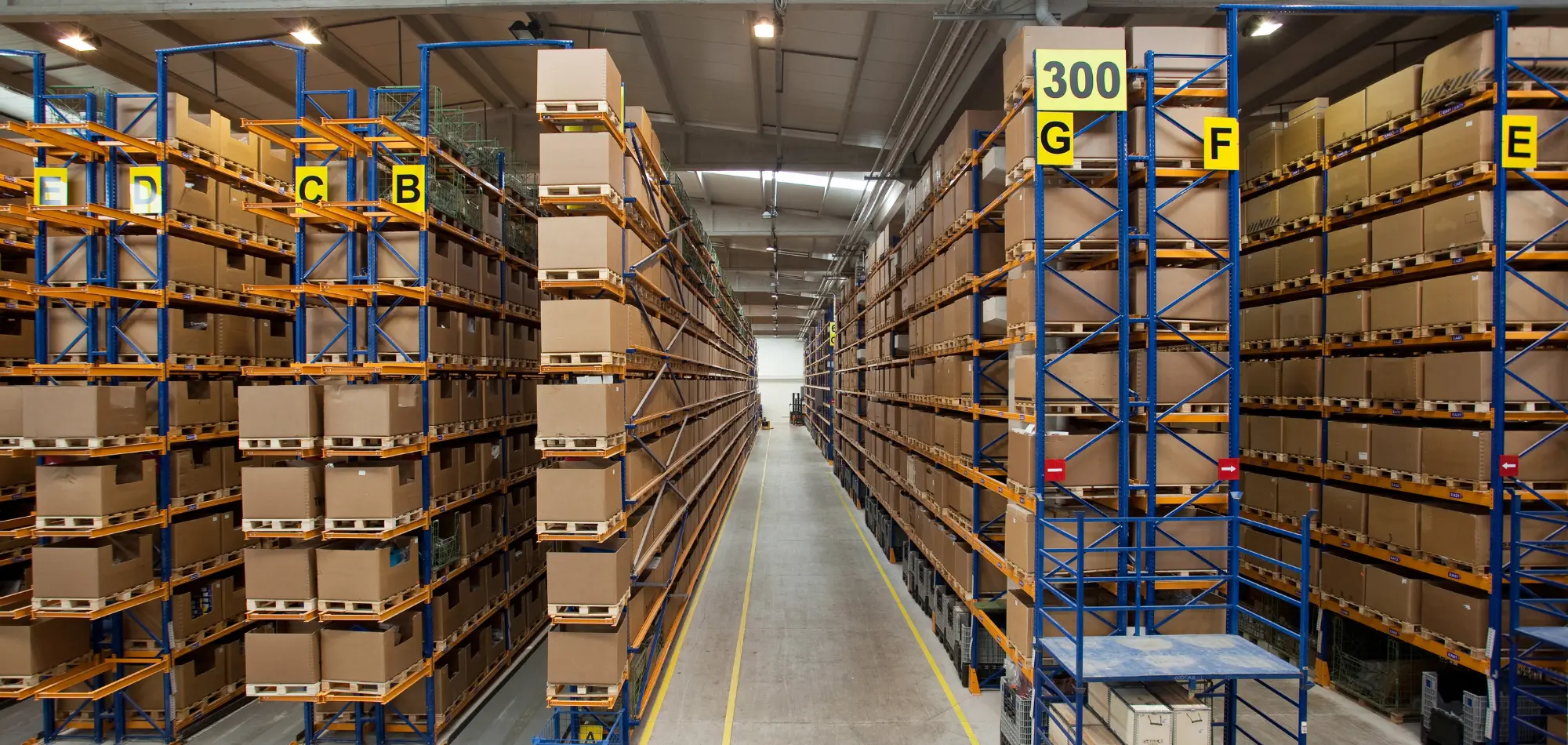
Cold storage warehouse exterior with insulated metal panel envelope
Temperature Classes

One building, often several temperatures.

Cold storage is not a single temperature. It is a range of classes, and most modern facilities combine cooler, frozen, and sometimes blast or controlled-atmosphere zones under one roof, each with its own envelope spec, refrigeration, and access controls.

  • Refrigerated cooler storage at 34°F to 55°F
  • Frozen storage at 0°F to -10°F
  • Blast freezing from -20°F to -40°F
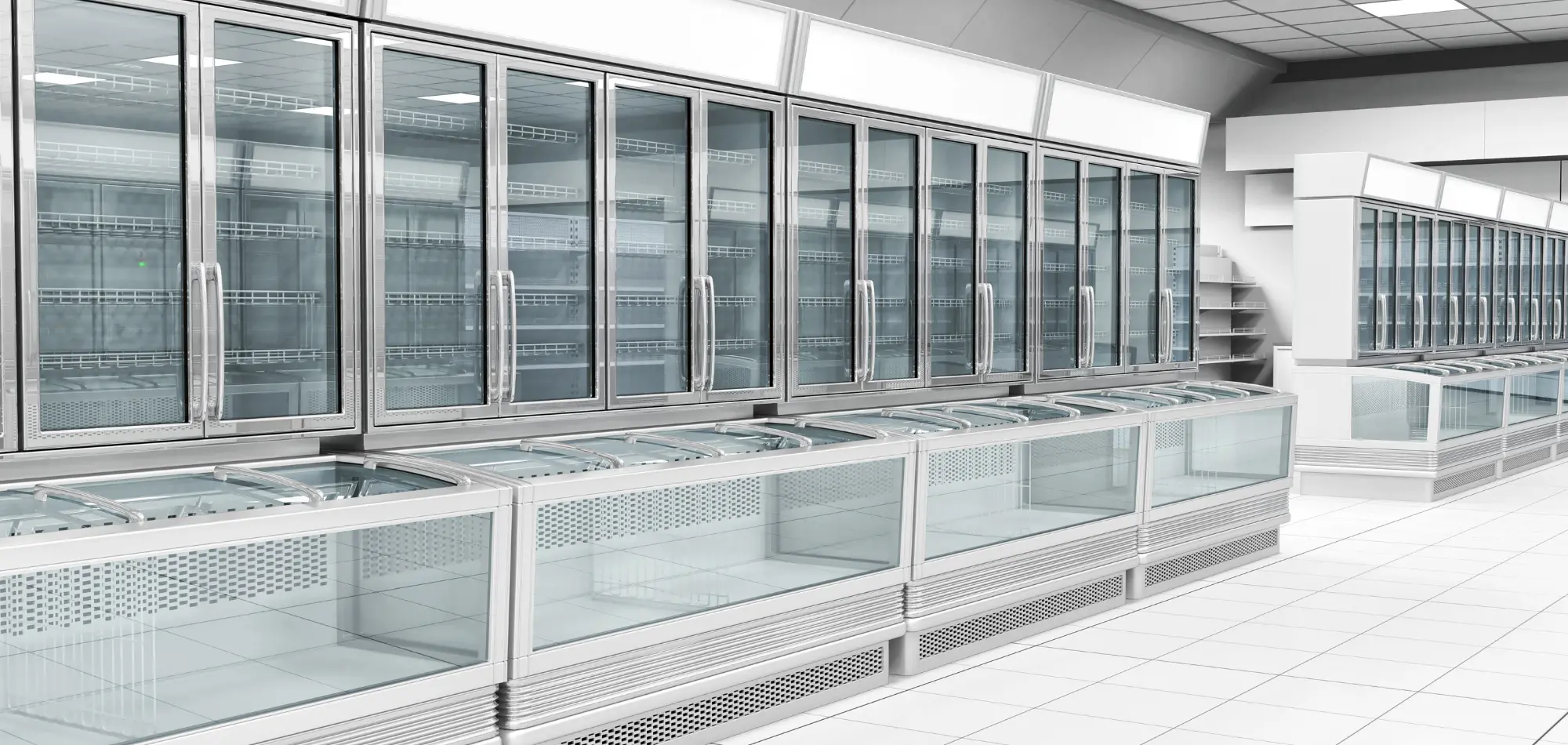
Frozen zone inside a multi-temperature cold storage warehouse
Core Systems

Five systems decide whether it performs.

Envelope, vapor barrier, refrigeration, floor system, and dock transitions determine whether a cold storage warehouse holds temperature efficiently for decades or fights its own building every day. None can be value-engineered out after construction without major rework.

  • Insulated metal panel envelope with continuous vapor seal
  • Refrigeration matched to load, with redundancy where uptime is critical
  • Under-slab heat in frozen rooms to prevent frost heave
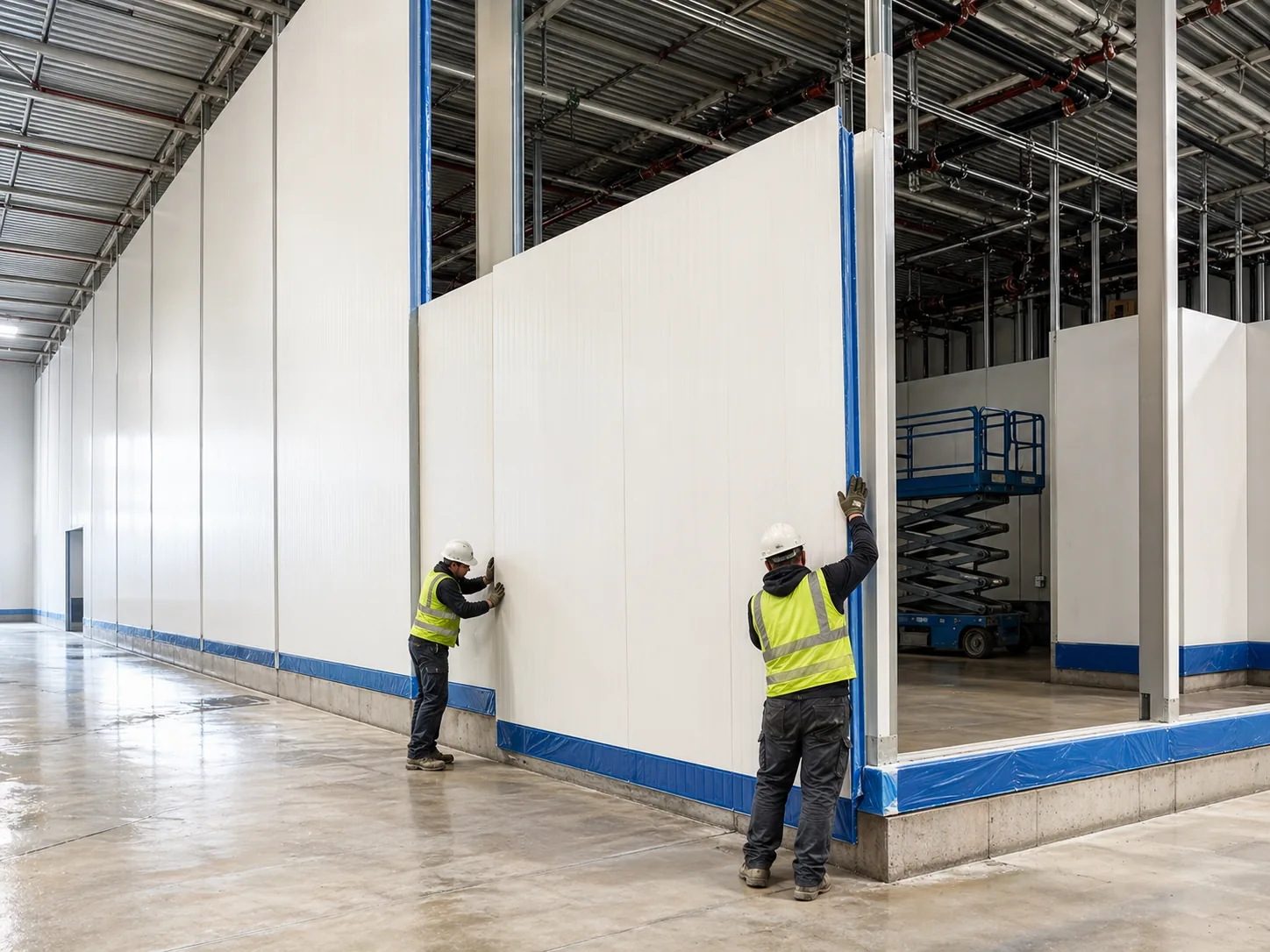
Insulated metal panel installation on a cold storage warehouse
Definition

What distinguishes a cold storage warehouse

A cold storage warehouse exists to hold product at a controlled temperature, and every building decision serves that goal. The structure, envelope, refrigeration, floor, and loading systems are designed as one integrated thermal system rather than a conventional warehouse with cooling added.

Key differences from a dry warehouse

Insulated metal panel walls and ceilings replace tilt-up or metal cladding. A continuous vapor barrier sits on the warm side of the insulation to stop moisture migrating toward the cold space and condensing inside the assemblies. Refrigeration is sized for envelope load, door-cycle infiltration, lighting, equipment, and product pull-down. Docks are engineered for temperature retention rather than just truck access.

If you already know the temperature class you need, the dedicated refrigerated warehouse construction and frozen storage construction pages go deeper on each. For the full design-build scope, see cold storage construction.

Types

Types of cold storage warehouses

Refrigerated (cooler) storage

Held between 34°F and 55°F for fresh produce, dairy, beverage, floral, and most food distribution. This is the most common class and often the largest footprint in a multi-temperature facility. See refrigerated warehouse construction.

Frozen storage

Held at 0°F or below for meat, seafood, and frozen prepared foods. Frozen rooms place far greater demands on insulation, under-slab heat, and refrigeration capacity than coolers do. See frozen storage construction.

Blast freezing

Operating from -20°F to -40°F, blast cells pull product temperature down rapidly to preserve quality. A blast freezer is a specialized zone, usually integrated into a larger frozen facility, with refrigeration capacity several times that of a steady-state frozen room of the same size.

Multi-temperature facilities

Most operations need more than one temperature. A multi-temp warehouse divides the building into cooler, frozen, and sometimes ambient zones, each with its own refrigeration, insulation spec, and access controls. Designing the zone boundaries and the transitions between them is one of the harder problems in cold storage construction.

Controlled-atmosphere storage

Used for long-term produce storage, controlled-atmosphere rooms manage oxygen, carbon dioxide, and nitrogen levels in addition to temperature to slow ripening. These are sealed, gas-tight rooms that add complexity beyond standard refrigeration.

Systems

The systems that make a cold storage warehouse work

1. Insulated thermal envelope

Insulated metal panels are the industry standard for cold storage walls and ceilings. Panel thickness scales with target temperature, from 4 to 5 inches for coolers up to 6 to 8 inches for sub-zero and blast applications. The envelope must be continuous, with no thermal bridges and proper detailing at every penetration. See insulated metal panel systems.

2. Vapor barrier

Warm, humid outside air constantly migrates toward the cold interior. Without a continuous vapor barrier on the warm side of the insulation, that moisture condenses and freezes inside the wall and roof assemblies, degrading insulation and forming ice that damages structure over time. See vapor barrier systems.

3. Refrigeration system

Refrigerant and architecture are driven by facility size and temperature: DX for smaller facilities, ammonia at industrial scale, and CO2 or cascade systems where regulations or ultra-low temperatures call for them. The system is sized to the real heat load. See industrial refrigeration systems.

4. Floor systems and under-slab heat

In frozen and blast rooms, the cold pulls heat out of the ground below and eventually freezes the soil, which expands and heaves the slab. A heated under-slab system keeps the subgrade above freezing. See frost heave prevention.

5. Loading docks and transitions

Every door is a hole in the thermal envelope. Insulated dock doors, seals, shelters, air curtains, and vestibules manage the temperature transition between zones and the outside. Poor dock design is one of the most common causes of ice buildup and energy loss. See dock design for refrigerated warehouses.

Fire protection

Standard wet-pipe sprinklers freeze, so cold storage uses dry-pipe or pre-action systems, and high-bay frozen storage typically requires ESFR or in-rack sprinkler designs engineered for the storage configuration and temperature.

Buyer Types

Who operates cold storage warehouses

3PL and public refrigerated operators

Multi-tenant cold storage requires tenant separation, shared dock infrastructure, utility metering, and independent zone controls. See 3PL cold storage.

Food and beverage distributors

Protein, dairy, produce, and beverage distributors run high door-cycle operations under USDA-FSIS or FDA requirements depending on product handling. See food and beverage cold storage.

Distribution centers

Regional cold DCs and cross-dock operations prioritize throughput, dock density, and multi-temperature zoning. See distribution center cold storage.

Frozen food manufacturers

Integrated production-to-storage facilities combine process cold rooms, blast freezers, and finished-goods frozen storage. See frozen food manufacturing.

Pharmaceutical and life sciences

Validated temperature control, redundancy, calibrated monitoring, and audit-ready documentation distinguish pharma cold rooms from food storage. See pharma and biotech cold storage.

Cost

Cold storage warehouse construction cost

Cold storage costs significantly more per square foot than dry warehouse because the insulated envelope, refrigeration, floor heat, and specialized fire protection all add cost. The largest drivers are target temperature, building size and clear height, number of temperature zones, refrigeration system and redundancy, sanitation requirements, and region.

Warehouse Class2026 Cost / SF
Single-temperature refrigerated (34°F-55°F)$155-$215
Multi-temperature distribution center$220-$295
Single-zone frozen (0°F to -10°F)$200-$280
Blast / sub-zero (-20°F to -40°F)$260-$360
Box-in-box retrofit inside an existing shell$120-$185

For detailed budgeting, see cold storage cost per square foot or request the 2026 Cold Storage Cost Guide.

Compliance

Compliance and standards

Cold storage warehouses are regulated according to what they store. Food storage falls under FDA 21 CFR 117 and, for meat, poultry, and egg products, USDA-FSIS. Food-safety programs add HACCP, SQF, and BRC. Pharmaceutical storage must meet cGMP with validated temperature control and documentation. Ammonia refrigeration follows IIAR-2, IIAR-9, and ANSI/ASHRAE 15, with OSHA PSM for larger charges. A specialist designs to these standards from day one rather than retrofitting them in.

Budgeting

Cost and timeline planning ranges.

$155-$215/SF

Refrigerated warehouse

34°F-55°F chilled distribution and storage.

$220-$295/SF

Multi-temperature DC

Combined cooler and frozen zones under one roof.

$200-$280/SF

Frozen storage

0°F to -10°F with heated under-slab system.

$260-$360/SF

Blast / sub-zero

-20°F to -40°F batch pull-down and deep frozen.

$120-$185/SF

Box-in-box retrofit

When an existing shell supports the cold load.

8-16 months

Typical timeline

From contract to commissioning, by class.

Services

Cold Storage Solutions, End to End

❄️ Cold Storage🧊 Blast Freeze🏗️ New Build🔧 Retrofit🌡️ Multi-Temp💊 Pharma-Grade📦 3PL Warehouses
FAQ

Common Questions

What is a cold storage warehouse?

A cold storage warehouse is a temperature-controlled industrial building that holds perishable or temperature-sensitive product at a precise temperature, from coolers around 55°F down to blast freezing at -40°F. Unlike a dry warehouse, every element of the building, the insulated envelope, vapor barrier, refrigeration, floor system, and docks, is engineered to manage heat continuously regardless of outside conditions.

What temperatures do cold storage warehouses operate at?

Refrigerated or cooler storage typically runs 34°F to 55°F for produce, dairy, beverage, and most food distribution. Frozen storage runs 0°F to -10°F. Blast freezing operates from -20°F to -40°F for rapid pull-down. Many facilities combine several of these as separate zones in one multi-temperature building.

What is the difference between a cold storage warehouse and a refrigerated warehouse?

The terms overlap. Refrigerated warehouse usually refers specifically to above-freezing cooler storage at 34°F to 55°F. Cold storage warehouse is the broader category that covers refrigerated, frozen, blast-freeze, and multi-temperature facilities under one umbrella.

How much does it cost to build a cold storage warehouse?

2026 ranges run roughly $155 to $215/SF for single-temperature refrigerated, $200 to $280/SF for frozen, and $260 to $360/SF for blast or sub-zero. Cost is driven by target temperature, number of zones, refrigeration system and redundancy, clear height, racking, sanitation requirements, and region. A square-foot average will not reliably budget a real project; a load- and zone-based estimate is required.

How long does it take to build a cold storage warehouse?

Most projects run 8 to 16 months from contract to commissioning. Refrigerated facilities fall toward the shorter end; frozen and blast facilities run longer because of heated underslab systems, thicker envelope, more complex refrigeration, and longer pull-down. Box-in-box retrofits inside a suitable existing shell can run materially shorter.

Why use a cold storage specialist instead of a general contractor?

A general contractor can build the structure, but cold storage performance depends on integrated systems, the vapor barrier, insulated envelope, under-slab heat, refrigeration sizing, and dock transitions, that have to be engineered together for the target temperature. The expensive failures, failed vapor barriers, heaved floors, and undersized refrigeration, do not appear until the building is running and are costly to fix after the fact.

Field Log· Houston · 29.66°N · 95.47°WOperating Range−40°F → 70°F · ±0.5°FR-Value30–60 IMP
Call UsRequest a Quote