Pharmaceutical Cold Storage Construction Cost (2026)

Pharmaceutical cold storage construction cost runs $280-$400+/SF for 2°C-8°C GMP storage and $450-$700+/SF for ULT (-80°C) areas. Validation (DQ/IQ/OQ/PQ) adds 3-7% on top, and cleanroom integration adds $40-$120/SF in cleanroom areas. This page covers every temperature class and the scope overlays that drive premium cost.

By US Cold Storage Builders Engineering Team
📅 Now booking 60–90 days out | Call (346) 676 - COLD
Performance IndexUpdated quarterly
$280-$400+/SF
2°C-8°C GMP Cold Storage
$450-$700+/SF
ULT (-80°C) Areas
3-7%
Validation Budget Add
Pharma Cost Reference

Pharma cost is overlay scope, not square footage.

Temperature Classes

Five temperature classes, distinct cost structures.

CRT, 2°C-8°C, frozen, ULT, and vaccine each have distinct envelope, refrigeration, monitoring, and validation requirements. Most pharma facilities combine multiple classes under one roof, with the construction cost-per-SF varying significantly by zone.

  • CRT 15°C-25°C: $230-$310/SF
  • 2°C-8°C GMP: $280-$400+/SF
  • Frozen -20°C: $310-$440/SF
  • ULT -80°C: $450-$700+/SF in ULT zones only
  • Vaccine cold-chain depot: $290-$410/SF
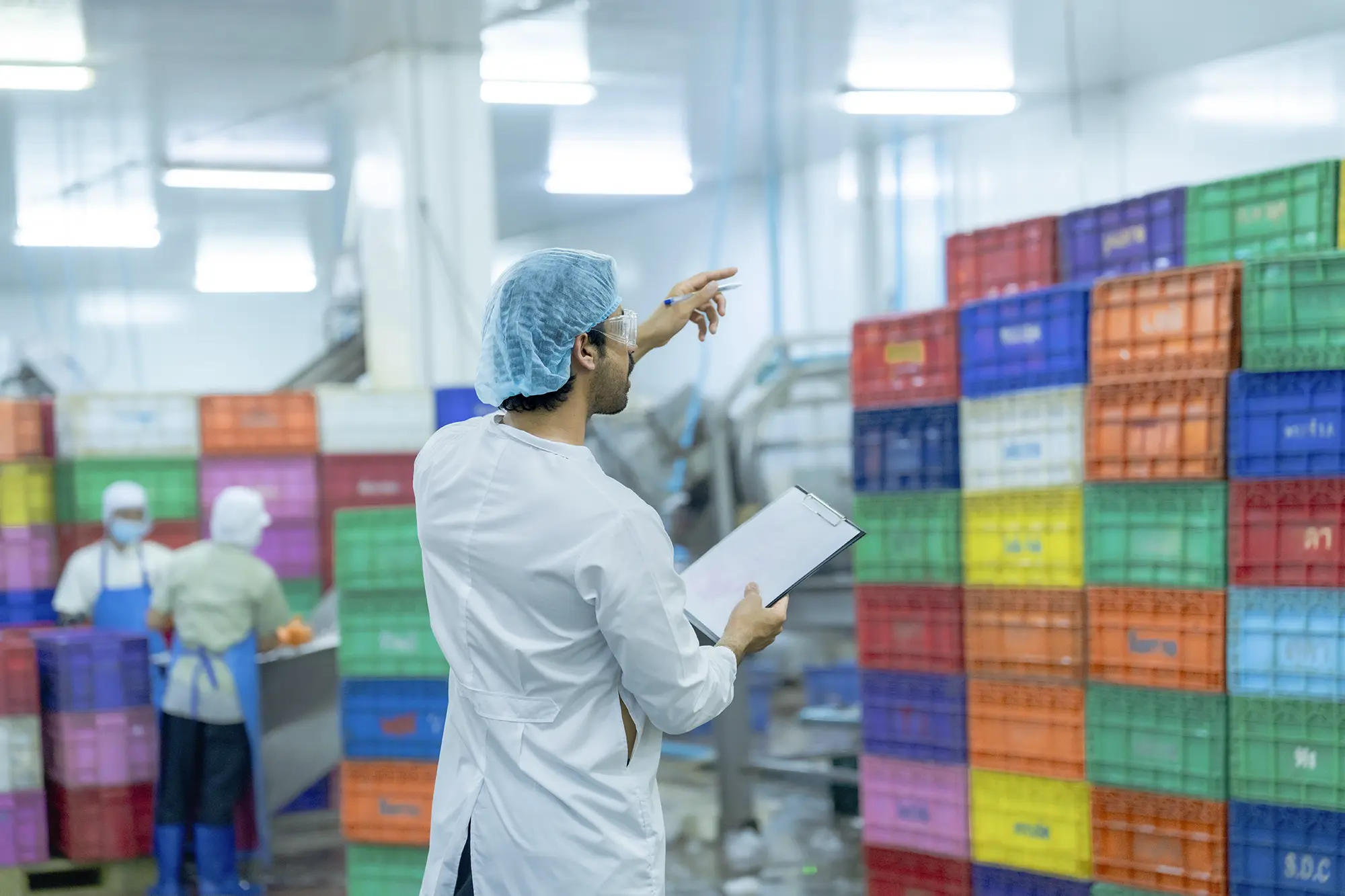
Pharmaceutical cold storage 2°C-8°C GMP storage interior
Scope Overlays

Validation, redundancy, monitoring, cleanroom — overlay scope.

The premium over food cold storage is not the temperature, it is the scope overlay: redundancy (N+1 or N+2), continuous calibrated monitoring with redundant sensors, DQ/IQ/OQ/PQ validation, cleanroom integration in active areas, GDP distribution compliance, and pharmaceutical-grade interior finishes. Each overlay adds 5-15%; combined they drive the full $280-$400+/SF range.

  • N+1 redundancy: +8-20% refrigeration capital
  • N+2 redundancy: +25-45% refrigeration capital
  • Validation (DQ/IQ/OQ/PQ): 3-7% as separate budget
  • Cleanroom integration: +$40-$120/SF in cleanroom areas
  • Emergency power for full refrigeration load: +$5-$15/SF
Pharmaceutical facility worker in cleanroom gowning
GDP Distribution

GDP-compliant distribution centers have specific requirements.

Good Distribution Practice (GDP) distribution centers handle pharmaceutical receiving, storage, pick/pack, and shipping under FDA, EU, and WHO frameworks. Construction requirements include validated temperature mapping, continuous monitoring, segregated quarantine/recall, controlled access, secure receiving and shipping bays, and full traceability infrastructure.

  • Validated temperature mapping per cold room (27+ sensors)
  • Continuous calibrated monitoring with alarm dispatch
  • Segregated quarantine, recall, and rejected-goods areas
  • Controlled access with audit-trail logging
  • Secure receiving and shipping with refrigerated dock seals
Pharmaceutical distribution worker scanning packages for traceability
Cost

Pharmaceutical cold storage cost by temperature class

The table below shows 2026 cost-per-SF ranges by pharmaceutical temperature class. Ranges assume GMP-grade construction, N+1 redundancy minimum, standard monitoring, and standard validation scope. Cleanroom integration, GDP distribution scope, vaccine cold-chain specialty requirements, and bespoke product specifications drive cost higher within each range.

Temperature ClassUse Cases2026 Cost / SF
CRT 15°C-25°C (59°F-77°F)Standard pharma storage, solid oral dosage$230-$310
Cool/Refrigerated 2°C-8°C (36°F-46°F)Vaccines, biologics, injectables$280-$400+
Frozen -20°C (-4°F)Long-term stability, some vaccines$310-$440
ULT -80°C (-112°F)Cell and gene therapy, mRNA platforms, samples$450-$700+
Vaccine cold-chain depotMulti-temp, validated distribution$290-$410
Cleanroom integration overlayFill/finish, aseptic processing zones+$40-$120 in cleanroom areas only
Validation (DQ/IQ/OQ/PQ)Required on all GMP scope3-7% separate budget

Why pharma costs more

The premium over equivalent-temperature food cold storage is overlay scope. A 2°C-8°C pharma room and a 38°F food cooler are similar in envelope and base refrigeration cost. The pharma room adds N+1 or N+2 redundancy, calibrated continuous monitoring with redundant sensors per zone, pharmaceutical-grade interior finishes, validation scope, and frequently cleanroom integration nearby. The base envelope and refrigeration might be 50-60% of total cost; the overlay adds another 40-50%.

Validation

Validation (DQ/IQ/OQ/PQ) explained

Validation is the documented evidence that pharmaceutical cold storage equipment and facilities perform as intended, consistently, in real-use conditions. Validation is executed against pre-approved protocols, documented in audit-ready format, and reviewed by Quality Assurance (often the client's internal QA, sometimes a third-party validation engineering firm). USCB's scope on validation is to build to support validation; the protocols themselves are typically owner-direct or third-party.

DQ — Design Qualification

Documented review confirming that the facility design meets the user requirements specification (URS), regulatory requirements (cGMP, GDP, 21 CFR Part 11, EU Annex 11), and industry standards. DQ is executed in pre-construction. Findings can drive redesign before construction begins.

IQ — Installation Qualification

Documented verification that refrigeration equipment, monitoring systems, controls, doors, and supporting infrastructure are installed per specification. Includes vendor documentation, calibration certificates, P&ID verification, electrical and piping inspection, and as-built drawing reconciliation. IQ is executed at substantial completion.

OQ — Operational Qualification

Documented verification that equipment operates across its specified range. Includes temperature operating range verification, alarm testing (high/low temp, power loss, door open, equipment fault), fail-state behavior, recovery cycles, and BMS integration testing. OQ runs after IQ, typically 2-4 weeks.

PQ — Performance Qualification

Documented verification that the qualified system performs consistently in real-use conditions. Temperature mapping with calibrated data loggers (typically 27+ sensors per cold room, deployed for 72-96 hours empty and then loaded), pull-down testing, door-cycle recovery testing, hold testing under product load, and excursion recovery. PQ produces the validated temperature map that defines acceptable product storage locations within the room. PQ runs after OQ, typically 4-8 weeks.

Validation budget

Validation typically runs 3-7% of total construction cost as a separate budget line, billed to a validation engineering firm or internal QA team. USCB's GC scope includes supporting validation (providing as-builts, calibration certs, drawings, P&IDs, and access for testing) but does not include executing protocols. Owners should budget validation alongside construction in early proformas.

Cleanroom

Cleanroom integration in pharmaceutical cold storage

Cleanroom integration adds $40-$120/SF in cleanroom areas only. Most pharmaceutical cold storage projects require cleanroom-grade construction in fill/finish, aseptic processing, or compounding zones, but not in bulk cold storage. The integration detail at the boundary between cleanroom and cold storage is where construction complexity concentrates.

Cleanroom classifications

ISO 14644 classifications: ISO Class 5 (Class 100 by older FED-STD-209E), ISO Class 7 (Class 10,000), ISO Class 8 (Class 100,000). EU GMP grades: A (most stringent, aseptic fill), B (background to Grade A), C, D (clean process areas).

Cleanroom construction in cold storage context

  • HEPA filtration sized for required air changes per hour and classification
  • Positive pressurization with controlled make-up air, cascading from clean to less-clean zones
  • Smooth, cleanable wall and ceiling systems — typically gypsum with high-build epoxy or pharmaceutical-grade panel
  • Coved corners and sealed transitions at floor/wall and wall/ceiling
  • Sealed penetrations at every duct, pipe, conduit, and cable tray
  • Controlled-access vestibules with interlocked door pairs
  • Gowning rooms with proper sequencing and step-over benches
  • Pass-throughs with interlocks for material transfer
  • Continuous particle monitoring and environmental monitoring infrastructure

Boundary detail: cold storage / cleanroom

The boundary between a cleanroom and an adjacent 2°C-8°C cold room is where construction detail concentrates. The cold room IMP must terminate cleanly into the cleanroom wall system. Pass-throughs must maintain both temperature isolation and pressure cascade. Doors must seal for cleanroom particle and temperature both. These details should be designed early; field-engineered solutions in this area are how validation issues surface.

ULT

ULT (-80°C) walk-in cold rooms — specialty scope

ULT walk-in cold rooms at -80°C / -112°F serve cell and gene therapy storage, mRNA vaccine bulk storage, clinical research samples, and long-term biological archives. Construction cost in ULT areas runs $450-$700+/SF, dominated by specialty wall systems, cascade or autocascade refrigeration, and the redundancy/monitoring/validation overlay that pharmaceutical scope already requires.

Envelope

ULT walk-in envelope is specialty multi-layer wall systems achieving R-80+ effective thermal resistance. Cam-lock IMP at 8" with vapor seal is often insufficient; specialty wall systems with multiple insulation layers, intermediate vapor barriers, and engineered thermal breaks are typical. Wall thickness can exceed 12".

Refrigeration

ULT refrigeration uses cascade or autocascade systems with specialty refrigerants. Two-stage cascade with R-507A high side and R-23 low side is common. Single-package Stirling cryocoolers are used in smaller ULT walk-ins. N+2 redundancy is standard; independent backup units sized for full load are common. Emergency power generation must support ULT load fully and immediately.

Vestibule and access

ULT walk-ins require double-door airlock vestibules with interlocks. Door open time is heavily controlled (often automated closure after 30-60 seconds). Personal protective equipment for entry is significant. Vestibule design includes pressure cascade, moisture control to prevent ice growth at the threshold, and sometimes a transitional temperature zone.

Monitoring and validation

Calibrated continuous monitoring with multiple redundant sensors per ULT walk-in is standard. Validation includes the standard DQ/IQ/OQ/PQ stack plus extended performance qualification at the deeper temperature, with extended temperature mapping and longer hold/recovery test cycles.

Practical scale

ULT walk-ins are almost always small — under 1,000 SF each, often 200-500 SF — built inside larger 2°C-8°C facilities for shared infrastructure, security, and access control. The ULT scope is often delivered as a manufactured walk-in unit installed inside a building shell that USCB constructs to support it, rather than fully site-built. Owners considering ULT should engage specialty walk-in manufacturers (Stirling Ultracold, Thermo Fisher TSX, Eppendorf, custom build) early.

GDP Distribution

GDP distribution centers — construction requirements

Good Distribution Practice (GDP) governs storage and distribution of pharmaceutical products under multiple frameworks: EU GDP Guidelines 2013/C 343/01, FDA 21 CFR 211 and 205, WHO Annex 5. GDP-compliant pharmaceutical distribution centers — bulk wholesalers, specialty pharma distribution, vaccine cold-chain depots — require construction that supports validated temperature, traceability, segregation, and security throughout.

Construction requirements driven by GDP

  • Validated temperature mapping per cold room with 27+ sensors
  • Continuous calibrated monitoring with documented alarm protocols and dispatch
  • Multi-temperature zones with engineered separations and pressure controls
  • Segregated quarantine, recall, returned-goods, and rejected-goods areas
  • Secure receiving with refrigerated dock seals and temperature verification
  • Secure shipping with temperature-controlled staging and cold-chain handoff
  • Controlled access with audit-trail logging at every door
  • Pest control and environmental monitoring infrastructure
  • Validated cleaning and sanitation processes with appropriate finishes
  • Backup power for critical refrigeration and monitoring infrastructure
  • WMS / temperature monitoring system integration for traceability

GDP distribution cost range

A pure 2°C-8°C GDP-compliant bulk distribution center runs $250-$360/SF in 2026, with the lower end on simpler bulk operations and the higher end on multi-temperature cold-chain depots with pick/pack operations. Vaccine cold-chain depots — often multi-temperature with frozen and ULT zones — run $290-$410/SF blended.

Project Approach

USCB pharmaceutical pre-construction approach

Pharmaceutical cold storage pre-construction requires GMP-aware programming, validation strategy, and operations alignment from day one. USCB's pharma pre-construction approach:

  1. Programming: temperature classes, area per class, redundancy, validation scope, GDP scope, product-specific requirements
  2. Regulatory framework selection: cGMP, GDP, GAMP 5, ALCOA+, 21 CFR Part 11, EU Annex 11
  3. Validation strategy: in-house vs third-party, protocol approval workflow, QA coordination
  4. Refrigeration system selection with redundancy: N+1 baseline, N+2 on critical zones
  5. Monitoring infrastructure design: calibrated sensors, alarm dispatch, data logging, audit trail
  6. Cleanroom integration scope and boundary detailing
  7. Emergency power sizing and ATS coordination
  8. Long-lead procurement release in pre-construction
  9. DQ execution against approved URS before construction
  10. Validation handoff plan with QA milestone schedule

Pre-construction on pharma typically runs 4-8 weeks vs 2-4 weeks for food cold storage, and total project schedule includes the additional 8-16 weeks of post-construction validation.

Next Step

How to start a pharmaceutical cold storage project

USCB delivers a preliminary cost range and approach within 5-10 business days from a programming conversation. Email matias@goodfortune.agency or use the form on this page. The first conversation establishes temperature classes, total area per class, redundancy and validation scope, and product-specific requirements — enough to scope refrigeration plant, validation budget, and give a defensible $/SF range.

See also: USCB pharma and biotech cold storage capability, general cold storage cost per SF, cold storage construction service page.

Budgeting

Cost and timeline planning ranges.

$230-$310/SF

CRT 15°C-25°C

Standard pharma storage

$280-$400+/SF

2°C-8°C GMP

Vaccines, biologics, injectables

$310-$440/SF

Frozen -20°C

Long-term stability, vaccines

$450-$700+/SF

ULT -80°C

Cell and gene therapy, mRNA, samples

+3-7%

Validation (DQ/IQ/OQ/PQ)

Separate budget line; not in GC scope

+$40-$120/SF

Cleanroom Integration

In cleanroom areas only

Services

Cold Storage Solutions, End to End

❄️ Cold Storage🧊 Blast Freeze🏗️ New Build🔧 Retrofit🌡️ Multi-Temp💊 Pharma-Grade📦 3PL Warehouses
FAQ

Pharmaceutical Cold Storage Cost FAQs

How much does pharmaceutical cold storage construction cost?

Pharmaceutical cold storage construction cost depends on temperature class, redundancy level, and cleanroom integration. 2026 ranges: CRT (15°C-25°C / 59°F-77°F) runs $230-$310/SF; 2°C-8°C GMP storage runs $280-$400+/SF; frozen pharma (-20°C / -4°F) runs $310-$440/SF; ULT (-80°C / -112°F) runs $450-$700+/SF in the ULT areas; vaccine cold-chain depots run $290-$410/SF. Validation (DQ/IQ/OQ/PQ) adds 3-7% on top of construction cost. Cleanroom integration in suites adds $40-$120/SF in the cleanroom areas only.

What makes pharmaceutical cold storage cost more than food cold storage?

Four overlays drive the premium: (1) redundancy — N+1 minimum, often N+2 on critical zones, doubling or near-doubling refrigeration capital; (2) monitoring — calibrated continuous temperature monitoring with documented alarm protocols, redundant sensors per zone; (3) validation — DQ/IQ/OQ/PQ protocols, executed and documented per cGMP, typically 3-7% of construction cost as a separate budget; (4) finish and cleanability — pharmaceutical-grade interior surfaces, sealed transitions, cleanroom integration where required. Each overlay individually adds 5-15%; combined they compound to the $280-$400+/SF range against food cold storage's $200-$280/SF for an equivalent shell.

What temperature classes does pharmaceutical cold storage cover?

Five common classes: (1) CRT (Controlled Room Temperature) 15°C-25°C / 59°F-77°F — standard pharma storage; (2) Cool/Refrigerated 2°C-8°C / 36°F-46°F — vaccines, biologics, many injectables; (3) Frozen -20°C / -4°F — long-term stability storage, some vaccines; (4) ULT (Ultra-Low Temperature) -80°C / -112°F — clinical research, cell and gene therapy, mRNA platforms; (5) Cryogenic -150°C and below — specialty research and cell banking, typically LN2 dewar storage rather than walk-in. Each class has distinct envelope, refrigeration, monitoring, and validation requirements.

What is GDP distribution and what does it cost?

Good Distribution Practice (GDP) is the regulatory framework for storage and distribution of pharmaceutical products, codified by the EU (EU GDP Guidelines 2013/C 343/01), FDA (21 CFR 211 and 21 CFR 205), and WHO. GDP-compliant pharmaceutical distribution centers require validated temperature mapping, continuous monitoring, qualified personnel, written SOPs, controlled access, segregated quarantine and recall areas, secure receiving and shipping, and full traceability. Construction cost for a GDP-compliant pharmaceutical DC runs $250-$360/SF for 2°C-8°C bulk distribution and higher for cold-chain pick/pack operations.

What is DQ/IQ/OQ/PQ validation?

DQ (Design Qualification) — documented review that the design meets user requirements and regulatory standards, executed in pre-construction. IQ (Installation Qualification) — documented verification that equipment is installed per specification, executed at commissioning. OQ (Operational Qualification) — documented verification that equipment operates per specification across its operating range, including alarm verification, fail-state behavior, and recovery cycles. PQ (Performance Qualification) — documented verification that the qualified system performs consistently in real-use conditions, including temperature mapping with calibrated data loggers (typically 27+ sensors per cold room), pull-down testing, door-cycle recovery testing, and excursion recovery. Together, DQ/IQ/OQ/PQ provides the audit-ready documentation regulators require.

How does cleanroom integration affect cost?

Cleanroom integration adds $40-$120/SF in the cleanroom areas. Pharma cleanrooms are classified by ISO 14644 (Class 5/100, Class 7/10,000, Class 8/100,000) and EU GMP grades (A, B, C, D). Cost drivers in cleanroom-integrated cold storage: HEPA filtration and pressurization, smooth-finish wall and ceiling systems, sealed coved transitions, controlled-access vestibules and airlocks, gowning rooms, pass-throughs, monitoring infrastructure, and validation overhead. Most pharma cold storage projects only require cleanroom integration in active fill/finish or aseptic areas; bulk storage typically doesn't need cleanroom-grade construction.

What is N+1 and N+2 redundancy for pharma cold storage?

N+1 means the refrigeration system has one redundant component beyond the minimum required to maintain temperature — typically one extra compressor in a multi-compressor plant, or a backup chiller. N+2 means two redundant components, common in mission-critical biologics and vaccine storage. N+1 typically adds 8-20% to refrigeration capital cost; N+2 adds 25-45%. Pharma projects also commonly require emergency power generation (diesel generator with automatic transfer switch) sized for the full refrigeration plant, adding $5-$15/SF.

What is ULT (Ultra-Low Temperature) cold storage and what does it cost?

ULT walk-in cold rooms operate at -80°C / -112°F and serve clinical research, cell and gene therapy storage, mRNA vaccine bulk storage, and long-term biological sample archives. Construction cost in ULT areas runs $450-$700+/SF — driven by specialty multi-layer wall systems achieving R-80+, cascade or autocascade refrigeration with specialty refrigerants, double-door airlock vestibules, calibrated continuous monitoring with redundant sensors, N+2 redundancy minimum, and emergency power. ULT walk-ins are almost always small (under 1,000 SF each), often built inside larger 2°C-8°C facilities, with specialty equipment manufacturers (Stirling cryocoolers, cascade systems) leading equipment selection.

How long does pharmaceutical cold storage construction take?

Pharmaceutical cold storage projects run 14-24 months from contract to commissioning and validation handoff — longer than food cold storage because validation (DQ/IQ/OQ/PQ) adds 8-16 weeks of additional time post-construction. Construction itself runs similar to food cold storage (10-18 months), but pre-construction is longer (4-8 weeks vs 2-4) due to GMP design review, and post-construction validation is the additional time. Long-lead equipment (switchgear, refrigeration packages, monitoring systems) frequently controls schedule.

How do I start a pharmaceutical cold storage project?

USCB's pharmaceutical cold storage pre-construction starts with a programming conversation that establishes temperature classes required, total area per class, redundancy requirements, cleanroom integration scope, validation scope, GDP distribution requirements, and any product-specific requirements (cell and gene therapy, biologics, vaccines, controlled substances). A preliminary cost range and approach lands within 5-10 business days. Email matias@goodfortune.agency or use the form on this page. See also our /industries/pharma-biotech-cold-storage service page for broader USCB pharma capability.

Field Log· Houston · 29.66°N · 95.47°WOperating Range−40°F → 70°F · ±0.5°FR-Value30–60 IMP
Call UsRequest a Quote