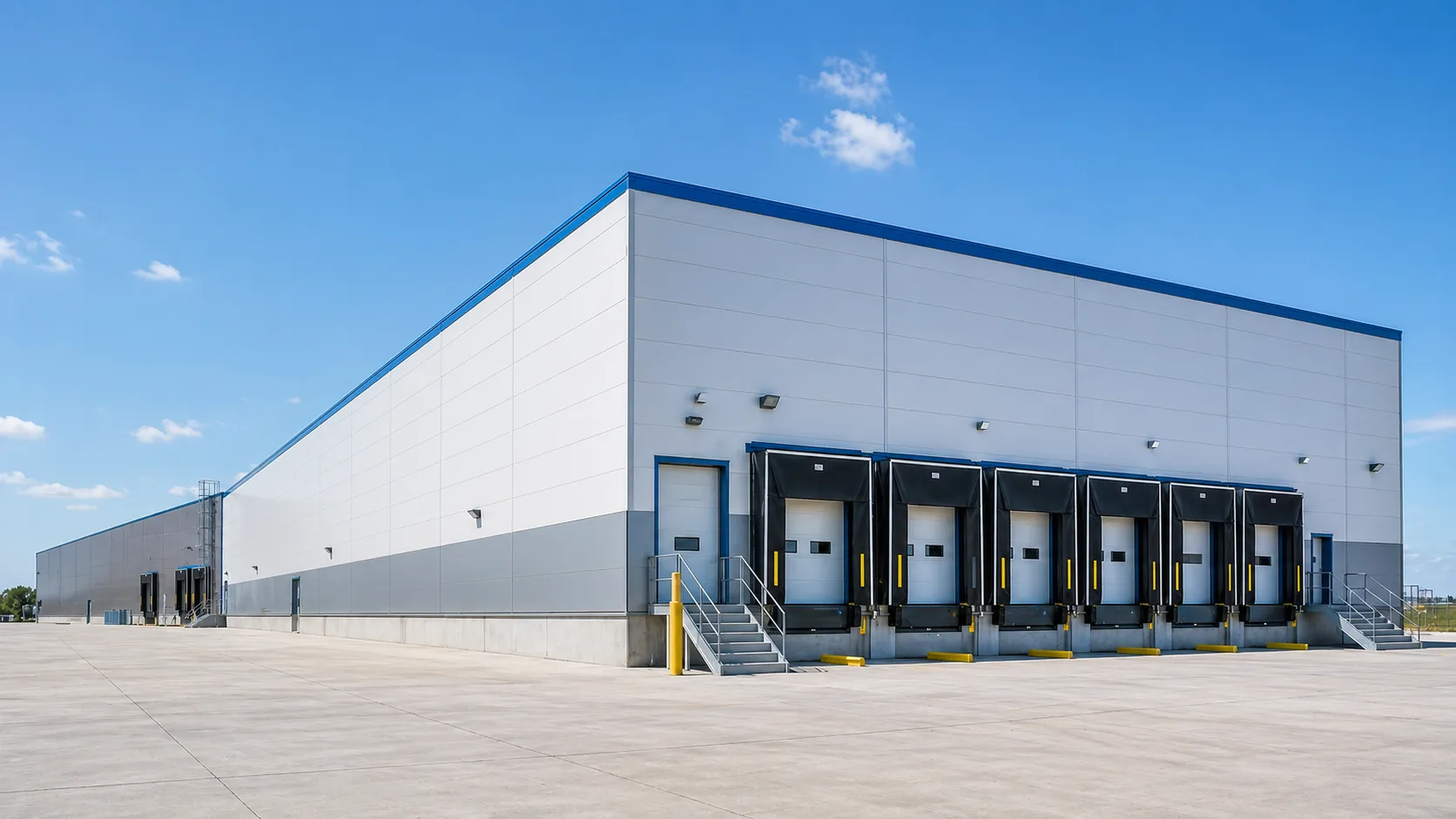
Cold Storage Construction Austin TX — Central Texas Growth Market
Austin is the fastest-growing major metro in the United States. We build refrigerated warehouses, food processing facilities, and pharma-grade cold storage along I-35, SH-130, and the ABIA cargo corridor — engineered for Central Texas demand and climate.
Why Austin Is the Fastest-Growing Cold Storage Market in Texas
Austin's population has grown faster than any other major U.S. metro for over a decade. Combined with a maturing biotech corridor, aggressive grocery expansion, and the SH-130 / I-35 distribution backbone, Central Texas is creating sustained demand for new refrigerated warehouses and cold storage construction.
- Fastest-growing major metro in the U.S.
- I-35 + SH-130 distribution backbone
- Austin-Bergstrom International — growing cargo gateway
- Biotech, life sciences, and food innovation cluster

Strategic Infrastructure for Cold Storage
Austin connects the South Texas border markets to Dallas-Fort Worth and the national interior. SH-130 provides a tolled bypass around the I-35 metro core, opening fast-growing industrial submarkets ideal for refrigerated distribution.
- I-35central Texas spine (Laredo ↔ Dallas)
- SH-130high-speed industrial bypass corridor
- US-290 / SH-71east–west feeder routes
- Austin-Bergstrom International (ABIA)growing cargo capacity
- MoKan / ETJ industrial parksemerging build sites
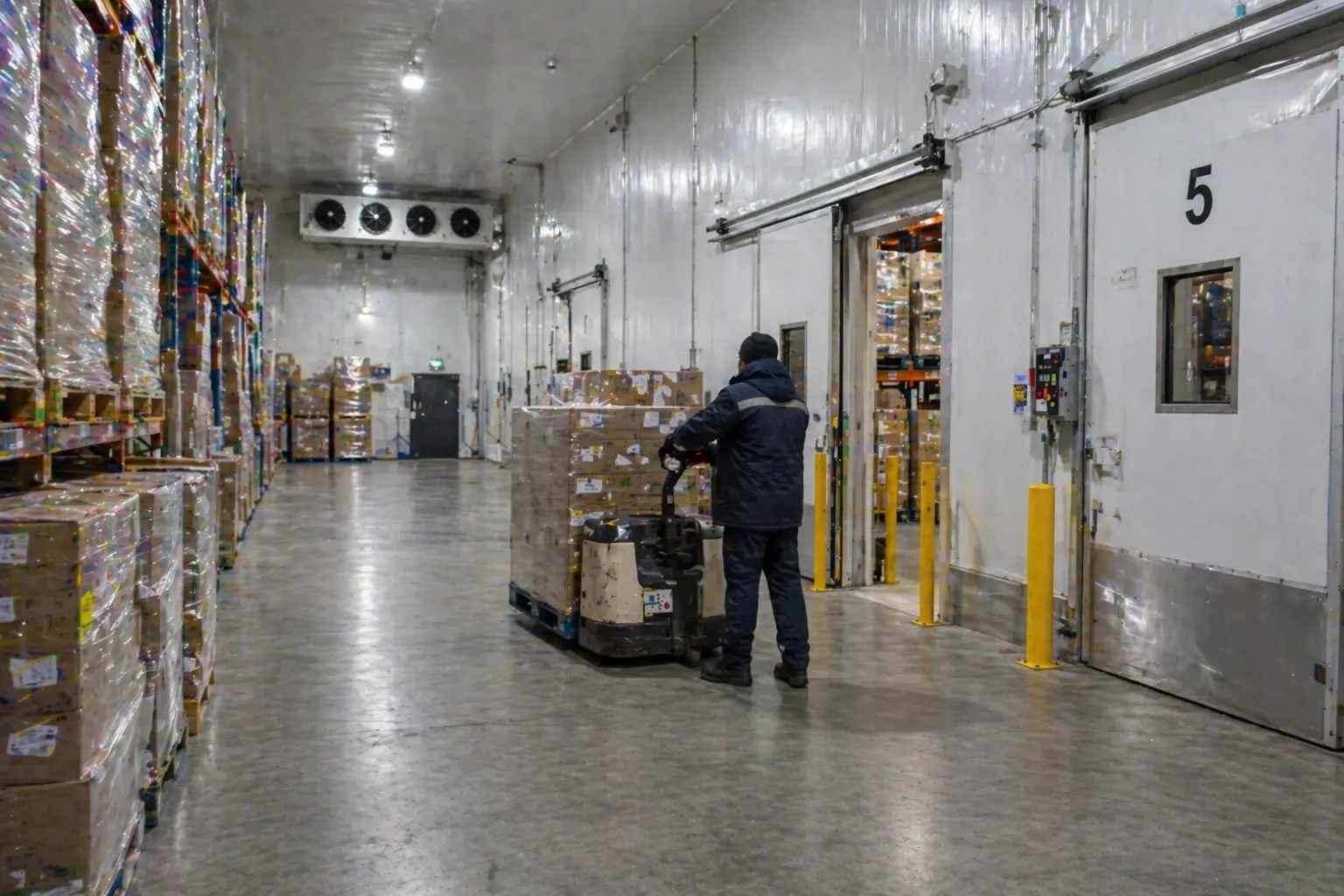
Central Texas Soil & Climate Engineering
Karst & Limestone Foundations
Foundation systems engineered for Hill Country karst geology, expansive clays in eastern Travis County, and Edwards Aquifer recharge protection requirements.
Heat-Load Refrigeration Sizing
Refrigeration systems sized for sustained 100°F+ summers with humidity control and oversized condenser capacity engineered for Austin's longer cooling season.
Insulated Slab Details
Insulated slab edges, vapor barriers, and continuous thermal envelopes designed to protect performance through Central Texas heat and humidity cycles.
Stormwater & Aquifer Compliance
Site engineering integrating Austin's stormwater quality controls and Edwards Aquifer recharge zone permitting with cold storage site logistics.
High-Performance Thermal Envelopes
Continuous IMP envelopes, thermal break detailing, and air-tightness performance engineered to keep refrigeration loads in check through Central Texas summer cycles.
Tech & Pharma Cold Chain Readiness
GDP-compliant validation packages, redundant refrigeration, and data-logging infrastructure tuned for Austin's growing pharma, biotech, and life sciences cold storage demand.
Austin Cold Storage Construction Corridors
SH-130 / Pflugerville / Hutto
Fastest-growing industrial corridor in Central Texas — master-planned distribution parks, available land, and direct SH-130 access bypassing I-35 congestion.
ABIA / SE Austin Industrial
Airport-adjacent corridor for pharmaceutical cold chain, perishable air cargo, and cross-dock distribution near Austin-Bergstrom International.
Round Rock / Georgetown
Northern I-35 growth corridor supporting expanding population and grocery distribution. Established industrial parks and pad-ready sites.
Buda / Kyle / I-35 South
Southern I-35 corridor connecting Austin to San Antonio — popular for regional distribution centers serving the I-35 megaregion.
East Austin / SH-71
Industrial corridor east of downtown with proximity to ABIA, food processing tenants, and emerging cold storage demand.
Cedar Park / Leander
Northwest growth corridor supporting last-mile grocery, food service, and emerging biotech cold chain demand.
Austin Cold Storage Capability
Refrigerated distribution, food processing, and biotech cold chain construction — engineered for Central Texas heat, karst geology, and Austin's stormwater & aquifer requirements.
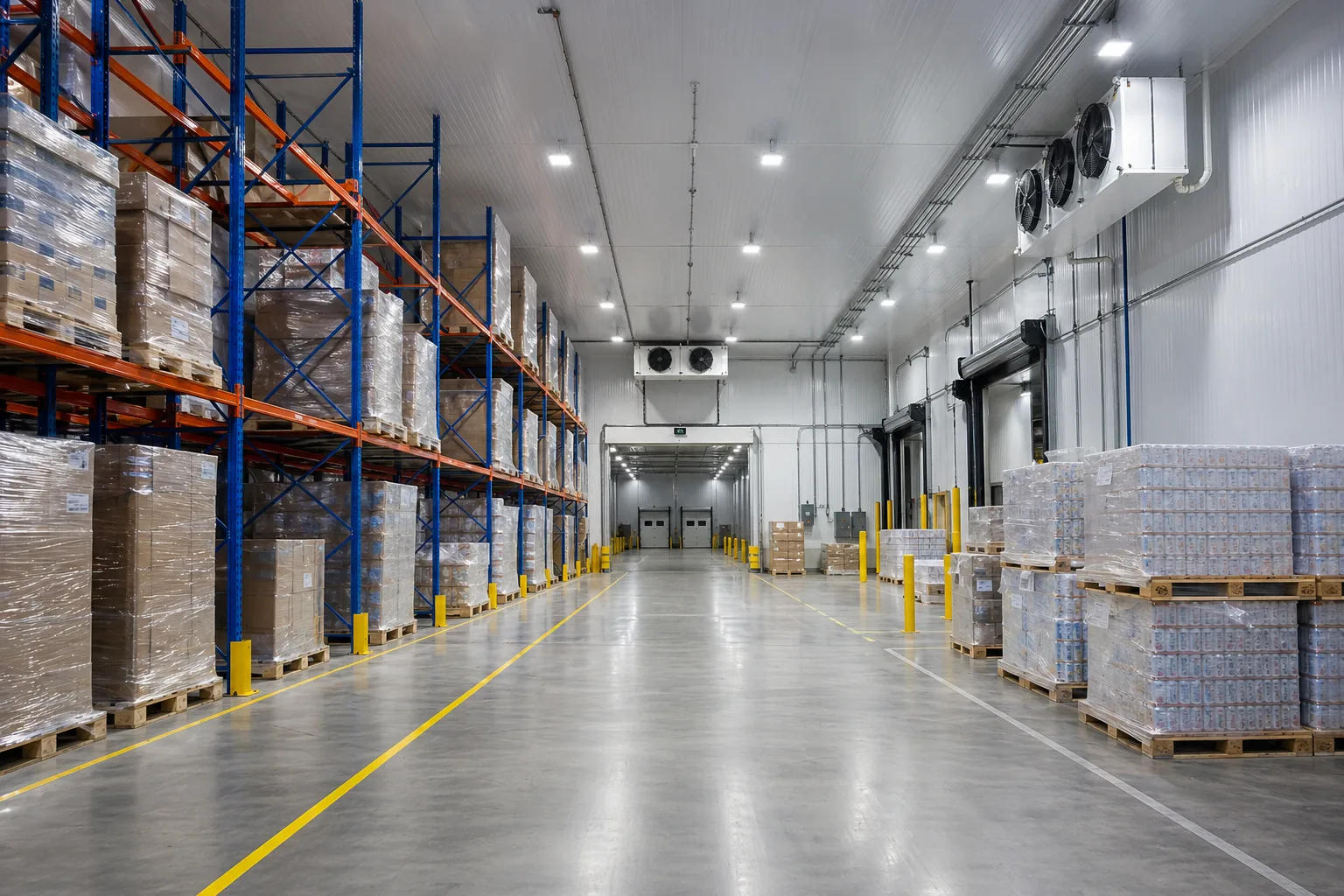
Full-Service Cold Storage Construction in Austin
From feasibility and site selection through commissioning, we engineer Austin facilities for high-growth distribution demand, biotech-grade compliance, and long-term refrigeration efficiency.
- New cold storage construction
- Refrigerated warehouse construction
- Frozen storage & freezer facilities
- Pharma & biotech cold chain facilities
- Food processing facilities
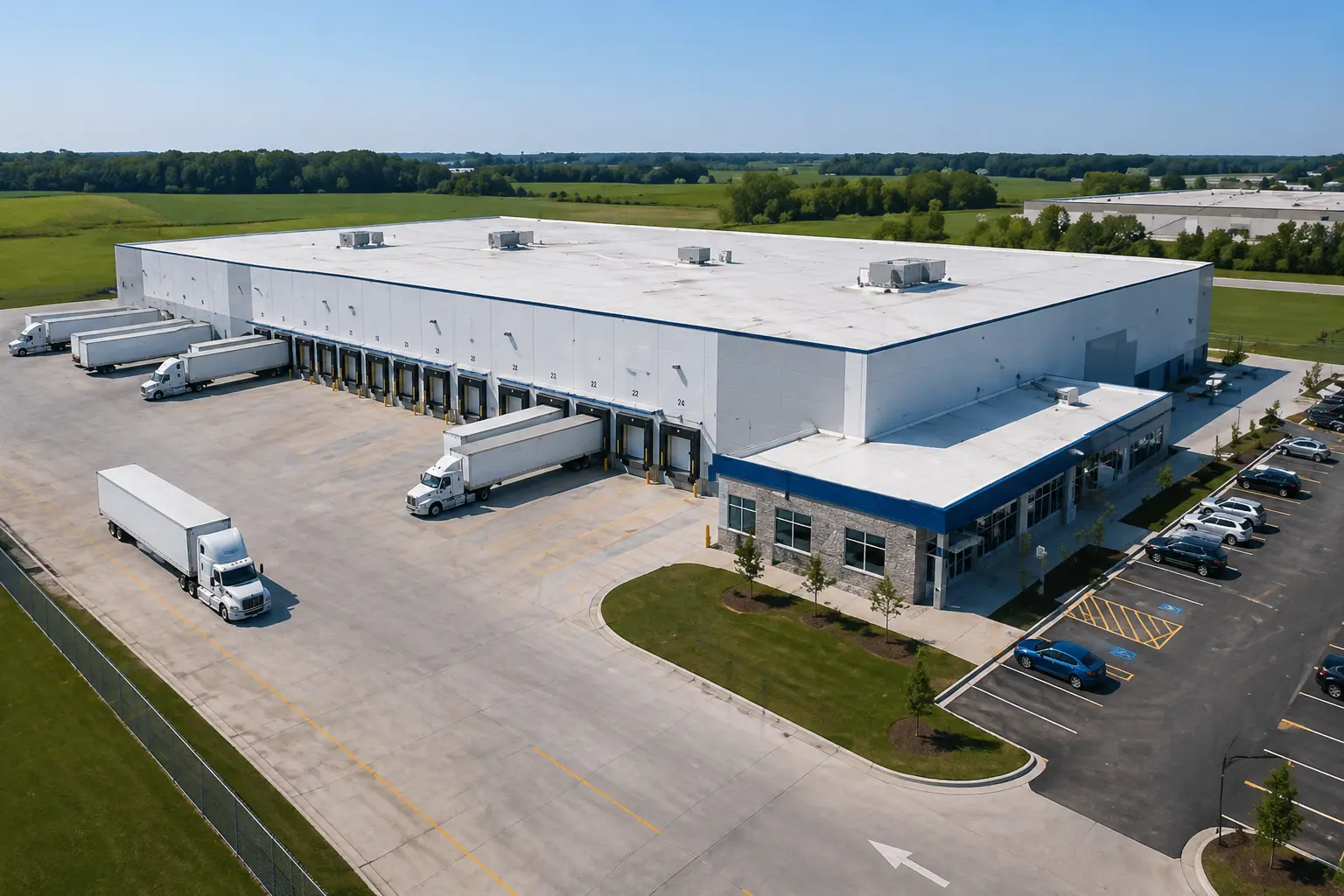
Why Austin Cold Storage Demand Is Growing
Fastest-Growing Major Metro
Austin has led national population growth for over a decade, fueling grocery distribution, food service, and last-mile perishable delivery demand.
SH-130 Industrial Corridor
Master-planned industrial parks along SH-130 are creating new pad-ready sites for high-dock-count refrigerated distribution centers.
Biotech & Life Sciences
Austin's expanding biotech, life sciences, and pharmaceutical cluster drives demand for GDP-compliant cold chain infrastructure and validated cold rooms.
ABIA Cargo Growth
Austin-Bergstrom International cargo volumes are growing rapidly, supporting airport-adjacent cold storage for perishables and pharma.
Food Innovation Sector
Austin's food and beverage innovation cluster — including grocery operators, CPG brands, and food tech — drives demand for temperature-controlled production facilities.
Central Texas Heat Engineering
Sustained 100°F+ summers require oversized refrigeration capacity, advanced thermal envelope engineering, and humidity-controlled airlocks.
Cold Storage Construction FAQ — Austin
Do you build along SH-130?
Yes. SH-130 is the most active industrial corridor for new cold storage construction in Central Texas, with available land in Pflugerville, Hutto, and the Manor / east Travis County submarkets.
What does cold storage cost in Austin?
Austin cold storage construction runs about 1.04× Texas baseline due to labor pressure and constrained industrial land: $162–$224/SF refrigerated, $208–$291/SF frozen storage, $230–$307/SF multi-temp DC, $270–$354/SF sub-zero, and $290–$415+/SF for pharmaceutical applications. Karst geology and Edwards Aquifer permitting may add to site costs in western submarkets.
Do you handle Austin's stormwater & aquifer permitting?
Yes. We coordinate City of Austin, Travis County, and Edwards Aquifer recharge zone permitting where applicable, and engineer stormwater quality controls into site design.
Do you build airport-adjacent in Austin?
Yes. We construct airport-adjacent facilities for pharmaceutical GDP-compliant cold storage and perishable air cargo near Austin-Bergstrom International.
How does Austin's heat affect engineering?
Sustained 100°F+ summers require oversized refrigeration sizing, enhanced vapor barriers, and humidity-controlled airlocks to maintain stable temperatures inside the thermal envelope.
Build Cold Storage in Austin
Whether you're building a refrigerated distribution center, a food processing facility, or a pharma-grade cold storage suite, we design and build cold storage construction projects across the Austin metro and Central Texas corridor.
- Insulated panels: 12–16 week lead time
- Refrigeration equipment: 16–24 weeks